
Most of us were taught to brush twice a day, but few of us were ever shown how. That matters, because brushing twice daily is not enough if the technique is wrong. Scrubbing too hard can irritate your gums and wear your enamel, while rushing can leave plaque sitting along the gumline, where decay and gum disease usually begin.
The good news is that proper brushing is simple once you know the steps. This guide walks you through an easy routine that works for adults and families, explains the mistakes to avoid, helps you choose between a manual and an electric toothbrush, and covers the habits that keep your mouth healthy beyond brushing.
Why Is Proper Tooth Brushing Important?
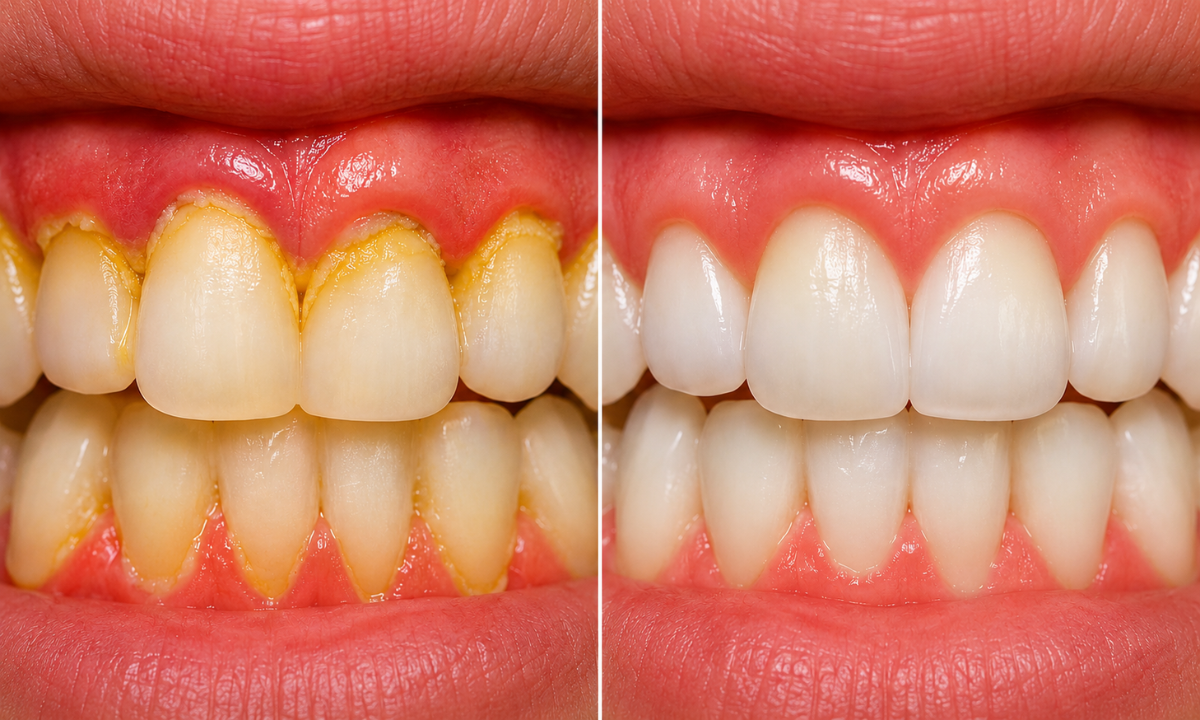
How brushing removes plaque and food debris
Plaque is a soft, sticky film of bacteria that forms on your teeth all day. When you eat or drink, these bacteria feed on sugars and produce acids that attack tooth enamel. Brushing breaks up this film and sweeps away food debris before the acids can do lasting harm. Plaque that is left in place can harden into tartar, which brushing alone cannot remove and which needs professional cleaning.
How poor brushing habits contribute to tooth decay and gum problems
If plaque is not cleaned away regularly, it can contribute to cavities and to gum inflammation. Early gum inflammation may show up as red, swollen or bleeding gums. Left untreated, it can progress into more serious gum disease. You can read more in our guide to gum disease symptoms and treatment.
Why brushing harder does not necessarily clean better
Plaque is soft, so it does not need force to come off. Pressing hard or scrubbing back and forth can irritate the gums, cause them to recede and, over time, wear away enamel near the gumline. Gentle, thorough brushing is far more effective than aggressive brushing.
How to Brush Your Teeth Properly Step by Step
Dentists generally recommend brushing twice a day for two minutes, using a soft-bristled brush and fluoride toothpaste. Here is how to do it well.
Step 1: Choose a soft-bristled toothbrush
Select a brush with soft bristles and a head small enough to reach your back teeth comfortably. Hard bristles do not clean better and are more likely to irritate your gums. The handle should feel comfortable and easy to control.
Step 2: Use fluoride toothpaste
Fluoride helps strengthen enamel and protect against decay. Adults need only a pea-sized amount. For children, use a smear about the size of a grain of rice up to age three and a pea-sized amount from age three to six, with an adult supervising so the toothpaste is spat out and not swallowed. Ask your dentist what fluoride strength suits your child’s age.
Step 3: Hold the brush at the correct angle near the gumline
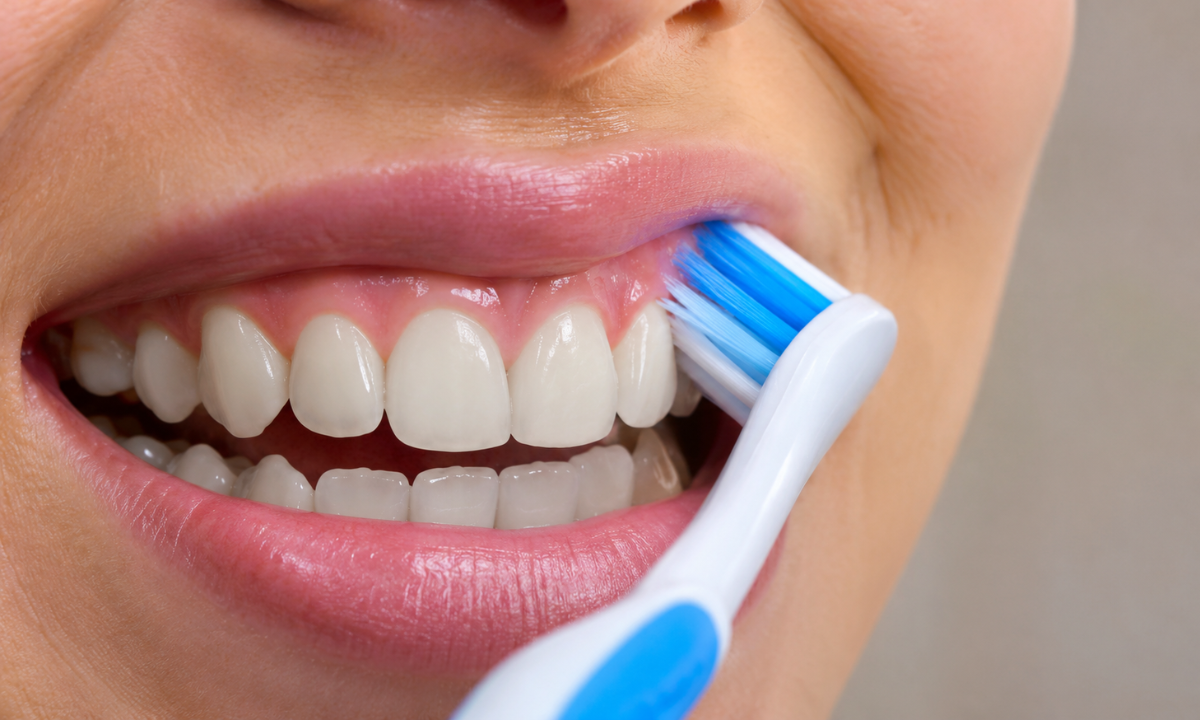
Place the bristles at roughly a 45-degree angle where the teeth meet the gums. This lets the bristles reach just under the gumline, which is where plaque collects most.
Step 4: Use gentle, short strokes rather than aggressive scrubbing
Move the brush in small, gentle circles or very short strokes, about the width of a tooth at a time. Let the bristles do the work. If your bristles are splayed out after a few weeks, you are pressing too hard.
Step 5: Clean the outer, inner and chewing surfaces
Every tooth has three surfaces that need attention: the outside (facing your cheeks and lips), the inside (facing your tongue) and the top chewing surface. Work through your mouth in the same order each time, for example upper outer, upper inner, upper chewing, then repeat for the lower teeth, so that you do not miss any area.
Step 6: Brush the inside surfaces of the front teeth carefully
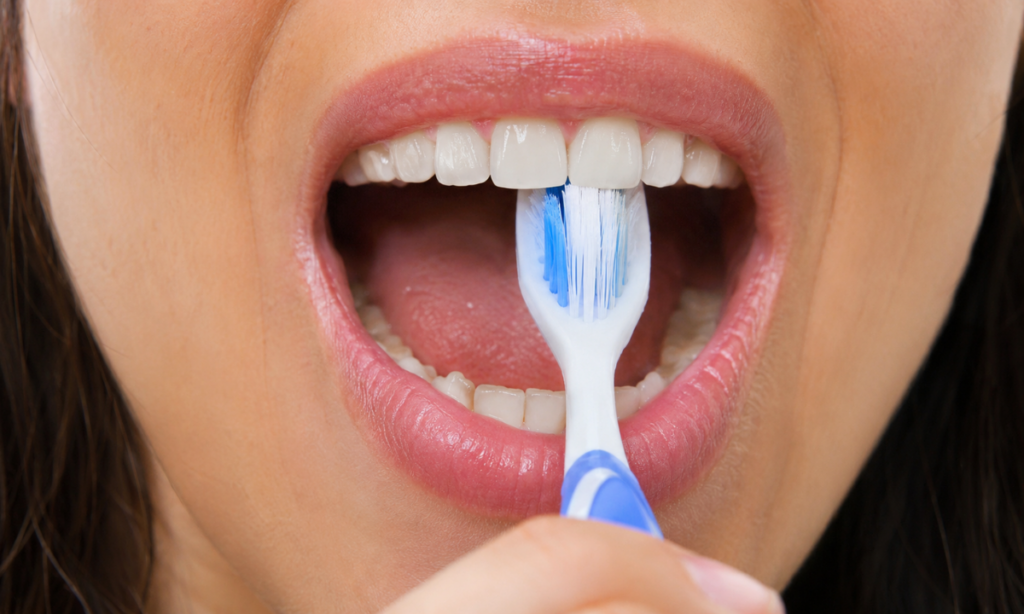
The inner surfaces of the front teeth are easy to skip. Tilt the brush vertically and use gentle up-and-down strokes with the tip of the brush, working from the gumline towards the edge of the tooth.
Step 7: Brush for two minutes and follow a consistent routine
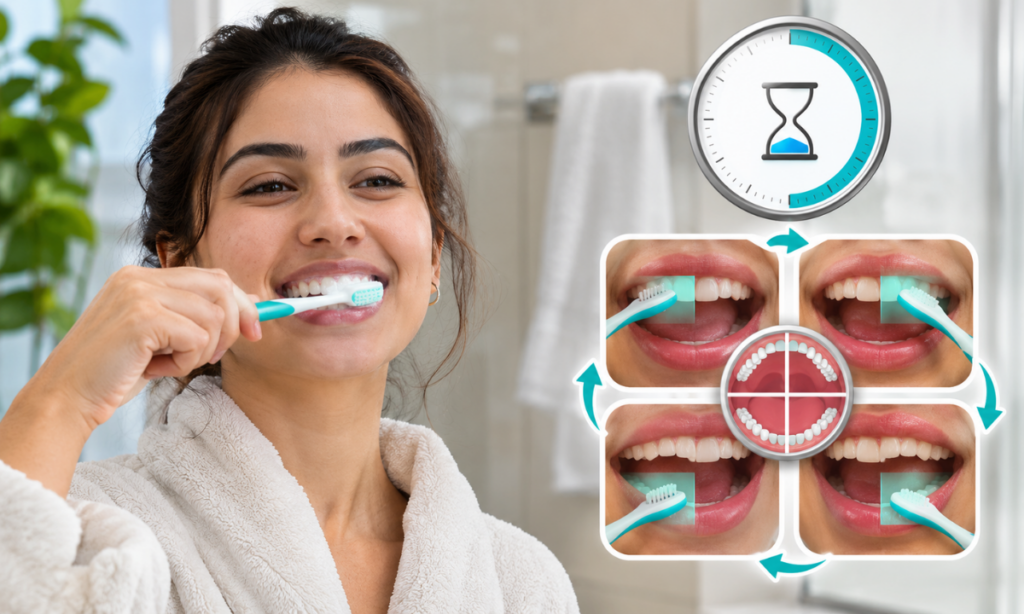
Two minutes feels longer than you expect. Use a timer, a song or an electric brush with a built-in timer. Brush in the morning and again before bed, since overnight is when your mouth produces less saliva and teeth are most vulnerable.
Step 8: Spit out excess toothpaste and follow appropriate post-brushing advice
Spit out the toothpaste but avoid rinsing with water straight away, so that the fluoride stays on your teeth for longer. If you have had something acidic, such as citrus fruit, fizzy drinks or pickles, wait at least 30 minutes to an hour before brushing, as enamel is temporarily softer and wears away more easily. If you use a mouthwash, use it at a different time from brushing, such as after lunch, so it does not wash away the fluoride from your toothpaste. Rinse your brush and let it air dry upright.
Common Tooth-Brushing Mistakes to Avoid
Brushing too hard or using hard bristles
Excessive pressure irritates the gums, can cause recession and may lead to sensitivity at the necks of the teeth. Switch to a soft brush and a lighter grip.
Brushing for less than two minutes
A quick 30-second brush leaves most of the plaque behind. Time yourself for a week and you will probably be surprised.
Missing the back teeth and gumline
The back molars and the line where the teeth meet the gums are the areas most often missed, and the places where plaque tends to build up. Slow down in these areas.
Using a worn-out toothbrush
Frayed bristles clean poorly. Replace your toothbrush, or electric brush head, every three to four months, or sooner if the bristles look bent or splayed. Consider replacing it after an illness too.
Treating brushing as a replacement for cleaning between teeth
A toothbrush cannot reach the tight spaces between teeth, which make up a significant portion of your tooth surfaces. Brushing and cleaning in between work together. Even with perfect technique, some teeth may still look yellow, and our guide explains why teeth may still look yellow despite good brushing.
Manual vs Electric Toothbrush: Which Should You Choose?
Benefits of a manual toothbrush
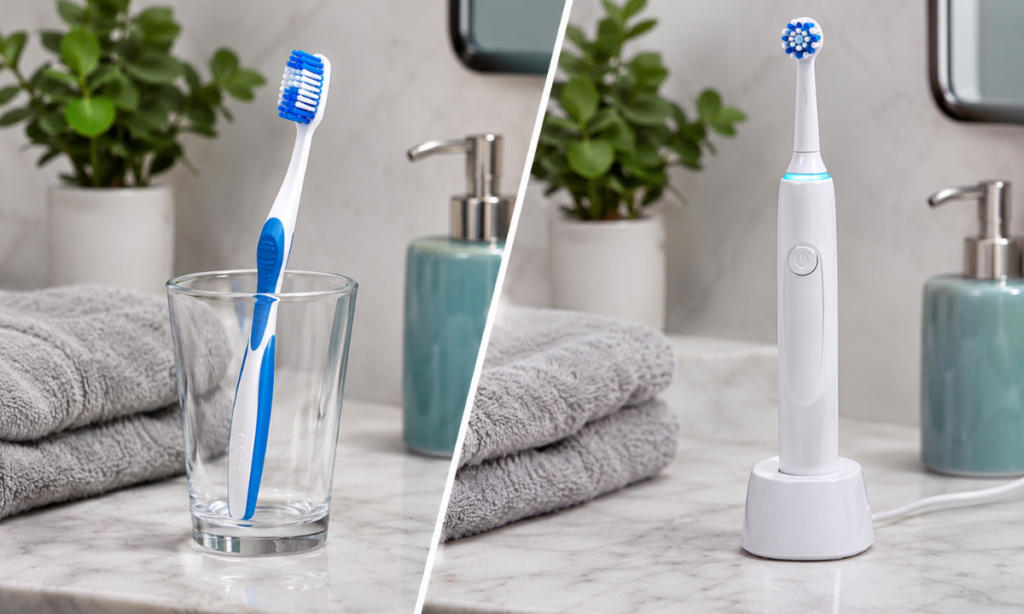
A manual brush is affordable, easy to find and works well when used with the right technique. It also gives you complete control over pressure and angle.
When an electric toothbrush may be easier to use
An electric brush can help people who find manual brushing difficult, such as those with limited hand movement, braces or a tendency to brush too hard. Many models include a timer and a pressure sensor, which can make it easier to brush for the full two minutes without pressing too firmly.
How to choose a brush that reaches all areas comfortably
Both types can be effective, and not everyone needs an electric brush. Choose the one you will use consistently, with soft bristles and a head small enough to reach your back teeth. If you are unsure, ask your dentist to watch you brush and recommend what suits you.
How to Maintain Good Oral Hygiene Beyond Brushing
Clean between your teeth daily with floss or an appropriate interdental device
Use floss, interdental brushes or a water flosser once a day to remove plaque from between your teeth. Your dentist can show you which option suits the size of the gaps between your teeth.
Clean your tongue gently
Bacteria collect on the surface of the tongue and can contribute to bad breath. Use a tongue cleaner or the back of your toothbrush, with light pressure.
Limit frequent sugary snacks and drinks
It is the frequency that matters most. Each sugary snack or sip gives bacteria another chance to produce acid. Keep sweets to mealtimes where possible and drink water between meals.
Visit a dentist according to your individual oral health needs
Regular check-ups and professional cleaning catch problems early and remove tartar that brushing cannot. The right interval differs from person to person, so read our guide on how often to visit the dentist to understand what applies to you.
Signs You May Need to Improve Your Brushing Technique
Plaque buildup near the gumline
A soft, whitish or yellowish film along the gumline that returns quickly suggests that plaque is not being fully removed.
Bleeding or irritated gums
Gums that bleed when you brush or floss, or that look red and swollen, can be a sign of plaque-related inflammation.
Persistent bad breath or tooth sensitivity
Ongoing bad breath or sensitivity to hot, cold or sweet foods can also point to areas that are not being cleaned properly.
These signs can have several causes and are not proof of poor brushing alone. If they persist for more than a couple of weeks, have them assessed by a dentist instead of changing your routine and hoping for the best.
Frequently Asked Questions About Brushing Your Teeth
How many times a day should I brush my teeth?
Twice a day: once in the morning and once before bed. Brushing more often is not necessary for most people and can contribute to wear if done too hard.
How long should I brush my teeth?
Two minutes each time. Use a timer if you tend to finish early.
Is it bad to brush my teeth too hard?
Yes. Hard brushing can irritate the gums, cause them to recede and wear enamel near the gumline. Use light pressure and let the bristles do the work.
Should I use a soft or hard toothbrush?
A soft-bristled brush is recommended for most people. Hard bristles do not remove plaque more effectively and are more likely to damage the gums.
Is an electric toothbrush better than a manual one?
Not necessarily. Both can clean well when used properly. An electric brush may be easier for some people to use, but the best brush is the one you use correctly and consistently.
Should I rinse my mouth immediately after brushing?
It is generally better to spit out the excess toothpaste and avoid rinsing with water straight away, so the fluoride can keep working. Ask your dentist if you have specific needs, such as a prescribed mouthwash.
Can brushing alone prevent cavities?
No. Brushing is essential, but it works best alongside cleaning between your teeth, a balanced diet with limited sugary snacks and regular dental check-ups.
Get Personalised Oral Hygiene Advice at Beyond Dental
If you are unsure about your brushing technique, notice bleeding gums or have ongoing sensitivity, a short assessment can make a real difference. Our team at our dental clinic in Vasanth Nagar, Bangalore can look at your teeth and gums, show you how to brush and clean between your teeth effectively, and suggest a routine that suits you.
Book a dental consultation at Beyond Dental to discuss your oral health and preventive care. Call +91 8105524004, email smilewithus@beyondental.in, or use the appointment form on beyondental.in.