
A dry, sticky mouth that wakes you up at night. A persistent thirst that water does not quite solve. Cracked lips, a coated tongue, and the odd sensation of your tongue sticking to the roof of your mouth. If any of this sounds familiar, you likely have xerostomia, the medical term for chronic dry mouth. It affects roughly 20 to 30 percent of adults over 50 and a growing number of younger adults on long-term medications, and yet almost no one talks about it.
Dry mouth is not just uncomfortable. It is a major and under-recognised cause of rapid cavities, gum disease, bad breath, and oral thrush. Fix the dry mouth and all four improve. Ignore it and no amount of brushing, flossing, or professional cleaning fully compensates.
This guide explains what dry mouth actually is, what causes it, what dental risks it creates, and the practical home protocol to fix it. Combined with our pillars on the 5 stages of tooth decay and how to stop it at the starting stage and gum disease: stages, causes, symptoms and treatment, you have a complete framework for protecting your teeth.
What is dry mouth (xerostomia)?
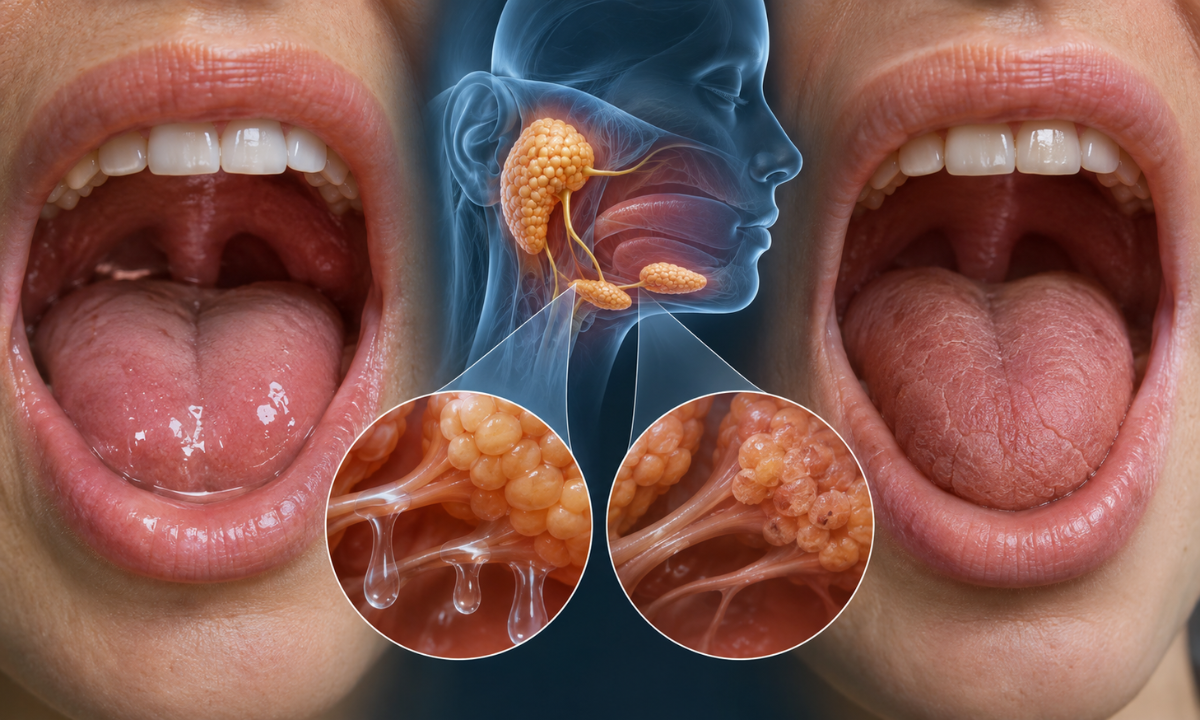
Dry mouth, medically called xerostomia, is the condition where the salivary glands do not produce enough saliva to keep the mouth adequately moist. A healthy adult produces about 1 to 1.5 litres of saliva every day, with higher production during meals and lower production at night. When this production drops significantly, the mouth feels dry, sticky, and uncomfortable.
Xerostomia is a symptom, not a disease. It can be mild and occasional (first thing in the morning, after a run, during a stressful meeting) or chronic and constant. Chronic xerostomia is the version that causes dental problems.
The condition is diagnosed by the dentist or physician based on symptoms and sometimes a simple salivary flow test. The important distinction is between temporary dryness (which everyone experiences) and chronic xerostomia (which needs attention).
7 common signs you have chronic dry mouth
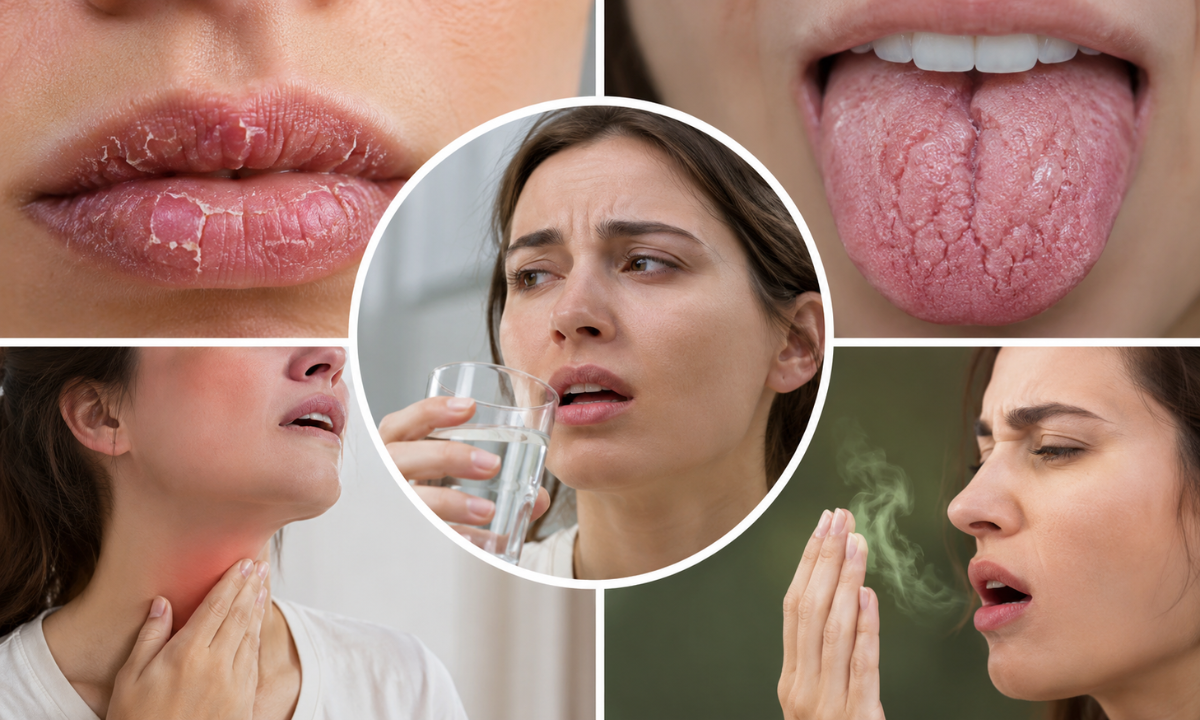
Many people live with xerostomia for years without identifying it, blaming the symptoms on other things. The seven classic signs are:
1. Constant thirst: Not satisfied by drinking water, because the problem is saliva production, not hydration.
2. Sticky, dry feeling in the mouth: Especially noticeable first thing in the morning, before meals, or after speaking for a while.
3. Difficulty swallowing dry foods: Biscuits, crackers, bread, roti without curry, and chapati stick in the mouth and feel hard to swallow.
4. Changes in taste: Food tastes bland or different. Some people describe a metallic or bitter taste that persists.
5. Bad breath: Saliva naturally washes away bacteria. Without enough saliva, odour-causing bacteria thrive. See our guide on causes of bad breath in the mouth for the full picture.
6. Cracked lips and corners of the mouth: Persistent cracking (angular cheilitis) at the corners is a classic sign.
7. Tongue changes: A dry, cracked, or red tongue that may burn or feel sore. Advanced dry mouth sometimes causes a coated tongue or persistent oral thrush (white patches).
If three or more of these have been present for more than a few weeks, chronic xerostomia is likely and worth addressing.
Why saliva matters (far more than people realise)
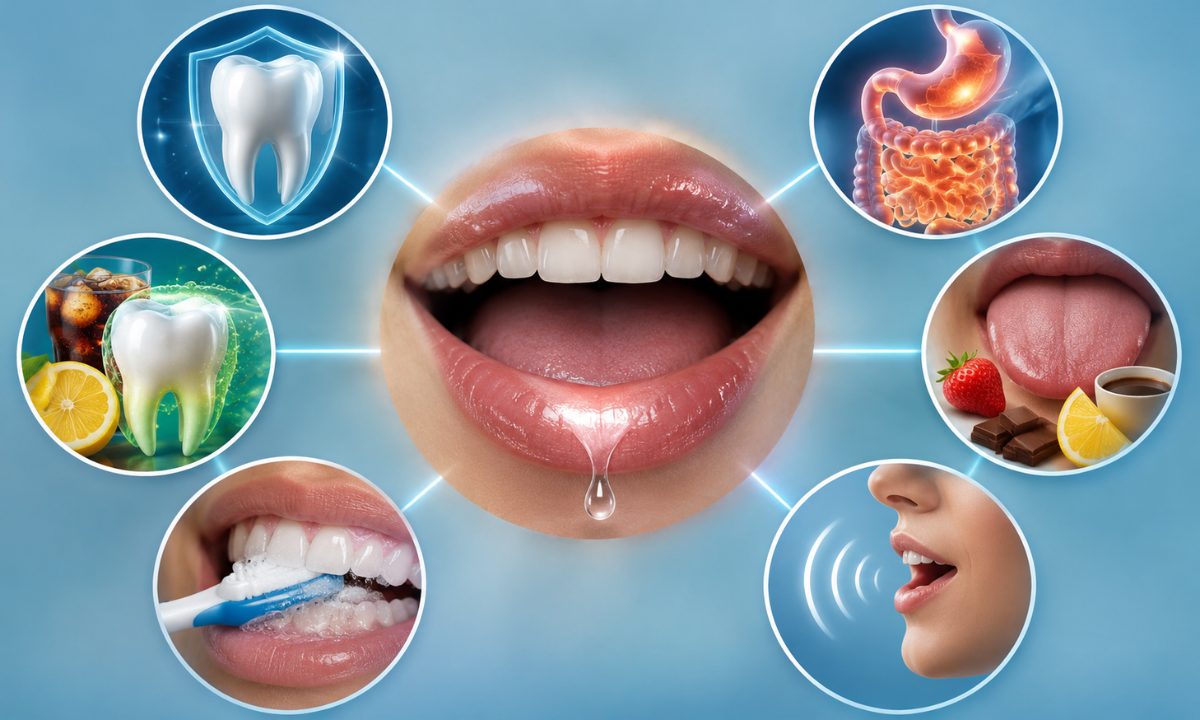
Saliva is one of the most important fluids in the body, and almost no one appreciates it until it is missing. It does six critical jobs.
Protects teeth: Saliva contains minerals (calcium, phosphate, fluoride) that constantly repair the microscopic damage acids cause. Without enough saliva, teeth cannot remineralise, and cavities develop rapidly. Our guide on the 5 stages of tooth decay explains the remineralisation process in detail.
Neutralises acids: Saliva’s bicarbonate neutralises the acid produced by mouth bacteria and from acidic foods. This is why your mouth goes “neutral” within 30 to 60 minutes of eating in healthy saliva flow.
Washes away food and bacteria: Saliva is a constant rinse cycle. Without it, food and bacteria accumulate rapidly on teeth and tongue.
Supports digestion: Saliva contains amylase, an enzyme that starts breaking down carbohydrates. Chewing without enough saliva makes food digestion start poorly.
Enables taste: Taste buds can only detect flavour molecules dissolved in saliva. A dry mouth tastes bland foods and sometimes tastes metal where there is none.
Enables speech: Saliva lubricates the tongue and mouth, which makes smooth speech possible. Chronic dry mouth makes long speaking (meetings, teaching, public speaking) uncomfortable.
The implication: losing saliva is not just about discomfort. It compromises almost every oral function at once.
Causes of dry mouth
Xerostomia is not a single disease. It is a symptom of many different underlying causes. Identifying the right cause is the first step to fixing it.
Medications
Over 500 medications are known to cause dry mouth as a side effect. The common culprits in Indian adults include:
Antihistamines for allergies and hay fever (cetirizine, loratadine, levocetirizine). One of the most common causes in urban Indian adults.
Antidepressants (fluoxetine, sertraline, escitalopram, amitriptyline, imipramine). Both SSRIs and tricyclics cause dry mouth.
Blood pressure medications (beta-blockers, diuretics, ACE inhibitors, clonidine).
Antihypertensive diuretics specifically (furosemide, hydrochlorothiazide) reduce saliva by reducing overall body fluid.
Diabetes medications (metformin and some others can cause mild dry mouth, though diabetes itself is a stronger factor).
Pain medications (opioids, tramadol).
Muscle relaxants (cyclobenzaprine, baclofen).
Anxiety medications (lorazepam, clonazepam, alprazolam).
Overactive bladder medications (oxybutynin, tolterodine).
Acid reflux drugs (long-term proton pump inhibitors have been associated with dry mouth in some patients).
Decongestants (pseudoephedrine, phenylephrine). Even over-the-counter cold medications cause dry mouth.
Anti-nausea drugs and some chemotherapy agents.
If you take any of these and have developed dry mouth, mention it to your doctor. Often the dosage can be adjusted, or an alternative with less dry-mouth effect can be substituted. Never stop prescribed medications on your own.
Health conditions
Diabetes (especially poorly controlled). High blood sugar leads to increased urination and dehydration, and also directly affects salivary gland function. Diabetics are 2 to 3 times more likely to have chronic dry mouth than non-diabetics.
Sjögren’s syndrome. An autoimmune disease where the body’s immune system attacks saliva and tear glands. More common in women over 40. Dry mouth is often the first symptom, followed by dry eyes. Needs rheumatology evaluation.
Thyroid disorders. Both hypothyroidism and hyperthyroidism can affect saliva.
Kidney disease. Reduced kidney function disrupts fluid balance and causes dry mouth.
HIV and AIDS. Chronic dry mouth is a common symptom.
Rheumatoid arthritis and lupus. Both autoimmune conditions can affect saliva glands.
Parkinson’s disease and other neurological conditions.
Mumps, swelling, or stone in the salivary glands. Direct damage to the glands.
Depression and anxiety disorders (independent of medication effects).
Vitamin deficiencies (vitamin A, B-complex, iron).
Dehydration
The simplest and most common cause. Not drinking enough water, excess coffee and tea, alcohol consumption, hot weather, exercise without rehydration, high-salt diet, and chronic fever all contribute. Dehydration-induced dry mouth is usually reversible with better hydration.
Mouth breathing and snoring
Breathing through the mouth (because of blocked nose, deviated septum, allergies, sinusitis, or just habit) dries the mouth rapidly, especially at night. Snoring has the same effect. People who wake up with severe morning dry mouth often breathe through the mouth at night without realising it.
Stress and anxiety
Acute stress reduces saliva flow instantly (which is why your mouth goes dry before public speaking). Chronic stress, anxiety, and panic disorder cause prolonged dry mouth.
Chemotherapy and radiation therapy
Cancer treatments, especially radiation to the head and neck, damage salivary glands and often cause permanent or long-lasting dry mouth. Patients undergoing such treatment need specialised dental support.
Ageing
Saliva production naturally decreases with age, and older adults are also more likely to be on medications that cause dry mouth. The combination makes xerostomia significantly more common after 50 and very common after 65.
Alcohol, tobacco, and recreational drugs
Alcohol is dehydrating. Tobacco smoke directly damages salivary glands. Cannabis, methamphetamine, and other recreational drugs cause intense dry mouth.
Hidden dental risks of chronic dry mouth
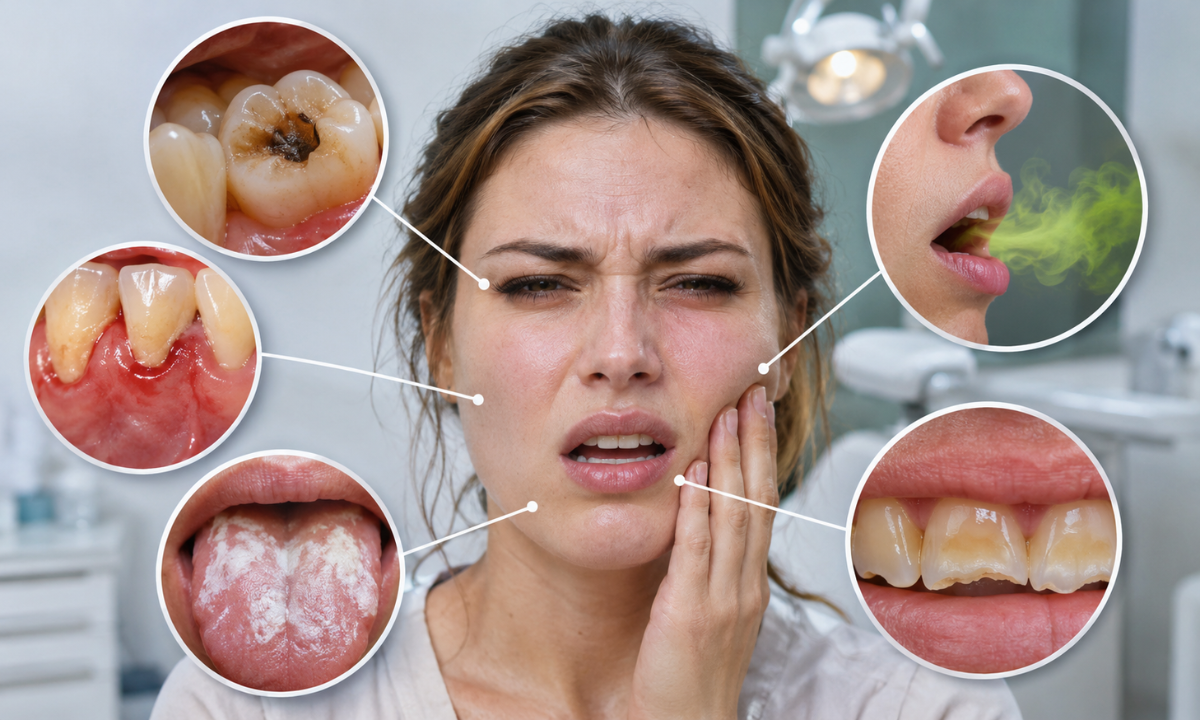
Dry mouth is not just uncomfortable. It is actively destructive to teeth and gums over time. Four major risks follow.
Rapid cavities: Without saliva’s constant remineralisation, teeth cannot repair the microscopic damage from daily acid attacks. Cavities develop faster and in unusual locations (near the gum line, between teeth, around existing fillings). A patient with chronic dry mouth can develop 5 to 10 new cavities in a single year, where they previously had none in a decade. Our complete pillar on the 5 stages of tooth decay explains the process.
Gum disease: Without saliva to wash away bacteria, plaque accumulates faster, triggering gingivitis and eventually periodontitis. Our pillar on gum disease: stages, causes, symptoms and treatment covers the progression. Long-term, dry mouth patients are more likely to lose teeth to gum disease than non-dry-mouth patients.
Bad breath: The constant bacterial overgrowth in a dry mouth produces persistent bad breath that brushing alone cannot fix. The only lasting solution is restoring saliva flow.
Oral thrush (candida infection): Dry mouth creates an environment where the Candida fungus thrives, causing white patches, burning tongue, redness, and difficulty eating. Especially common in diabetics and older adults with dry mouth.
Difficulty wearing dentures: For patients with partial or complete dentures, dry mouth makes dentures painful, loose, and prone to causing mouth sores.
Tooth erosion and enamel loss: Chronic exposure to unneutralised acids wears down enamel faster than normal.
Fungal infections at mouth corners (angular cheilitis): Cracked, sore corners of the mouth that do not heal.
Difficulty eating: Dry foods become hard to swallow. Many dry mouth patients unconsciously shift to softer, often sweeter and more processed foods, which further increases cavity risk.
How to fix dry mouth at home

Most cases of dry mouth can be significantly improved at home with a disciplined 5-step protocol. Severe cases also need medical treatment, but even severe dry mouth improves with these fundamentals.
1. Hydration protocol
Drink 2.5 to 3 litres of water daily, spread evenly through the day. Aim for a sip every 15 to 20 minutes rather than large amounts occasionally. Keep a water bottle at your desk, bedside, and in your bag.
Night hydration: Keep a glass of water next to your bed. If you wake with dry mouth, sip water rather than letting the discomfort build.
Rinse before bed: Rinse the mouth with plain water or a mild alcohol-free mouthwash before sleep to clear bacterial accumulation.
Avoid dehydrating drinks: Caffeine (coffee, tea, cola) and alcohol are diuretics that worsen dry mouth. Limit coffee and tea to 2 cups a day. Avoid alcohol or balance each drink with equal water.
2. Chewing sugar-free gum with xylitol
Chewing stimulates saliva production. Xylitol-sweetened gum does double duty: it stimulates saliva AND actively reduces cavity-causing bacteria. 4 to 6 pieces a day, 10 to 15 minutes each time, has been shown to meaningfully reduce cavity rates in dry mouth patients.
Sugar-free lozenges (Biotene, Oralieve, or local brands) work similarly for those who do not like gum.
3. Humidifier at night
A cool-mist humidifier in the bedroom adds moisture to the air and reduces night-time mouth dryness. Essential for mouth-breathers, snorers, and people in dry climates or air-conditioned rooms.
Simple alternative: place a bowl of water near your bed if a humidifier is not available.
4. Avoid caffeine, alcohol, tobacco
Each of these worsens dry mouth significantly. Reduction or elimination often produces visible improvement within 2 to 4 weeks.
Caffeine: Limit to 2 cups of tea or coffee per day, preferably before 4 pm.
Alcohol: Limit to occasional social drinking, not daily. Beer is especially dehydrating.
Tobacco: In any form (cigarettes, bidi, gutka, paan masala), tobacco directly damages salivary glands.
5. Nasal breathing and nasal hygiene
Breathing through the nose keeps the mouth sealed and moist. Breathing through the mouth dries it out.
Daily nasal breathing practice: Consciously breathe through your nose during the day, especially while sitting still, walking, or at the desk. Mouth-breathing becomes a habit for many people with mild nasal congestion.
Nasal rinse (saline): Use a neti pot or saline nasal spray once daily if you have chronic congestion or allergies. Clearer nasal passages encourage nose breathing.
Treat underlying nasal problems: Chronic sinusitis, deviated septum, or allergic rhinitis need specialist attention. Mouth breathing from a blocked nose is fixable.
Snoring: If you snore, consult an ENT or sleep specialist. Mild snoring can be managed with positional sleeping (on the side), weight management, and sometimes an oral appliance. Severe snoring may indicate sleep apnoea.
Additional home measures
Oil pulling: Traditional Ayurvedic practice of swishing coconut or sesame oil for 10 to 15 minutes, spit out before brushing. Some anecdotal reports of improvement in dry mouth, though evidence is limited.
Suck on ice chips: Small, slow ice chips stimulate saliva and cool the mouth.
Add moisture to meals: Add gravy, curry, soup, raita, or sauces to dry foods like roti, rice, and bread.
Lip balm: Prevents cracked lips, which are common in dry mouth.
When to see a dentist for dry mouth
See a dentist if dry mouth has been present for more than 4 to 6 weeks, if home measures have not improved it, or if any of these are present:
- Cavities developing faster than before
- Persistent bad breath
- White patches in the mouth (oral thrush)
- Cracked corners of the mouth that do not heal
- Burning tongue
- Difficulty wearing dentures
- Pain or difficulty eating
- Persistent gum problems
- Multiple medications with dry mouth as a side effect
- Any of the systemic conditions that cause dry mouth
For routine dental checks, our guide on how often you should really visit the dentist sets baseline frequency, which increases for dry mouth patients. Beyond Dental provides specialised dry mouth management through our dental clinic in Bangalore.
At the dental visit, expect the dentist to examine the mouth, gums, tongue, and existing restorations, review your medication list, and possibly suggest a salivary flow test. If an underlying systemic condition is suspected (Sjögren’s syndrome, uncontrolled diabetes), referral to a physician follows.
Dental care routine for dry mouth patients
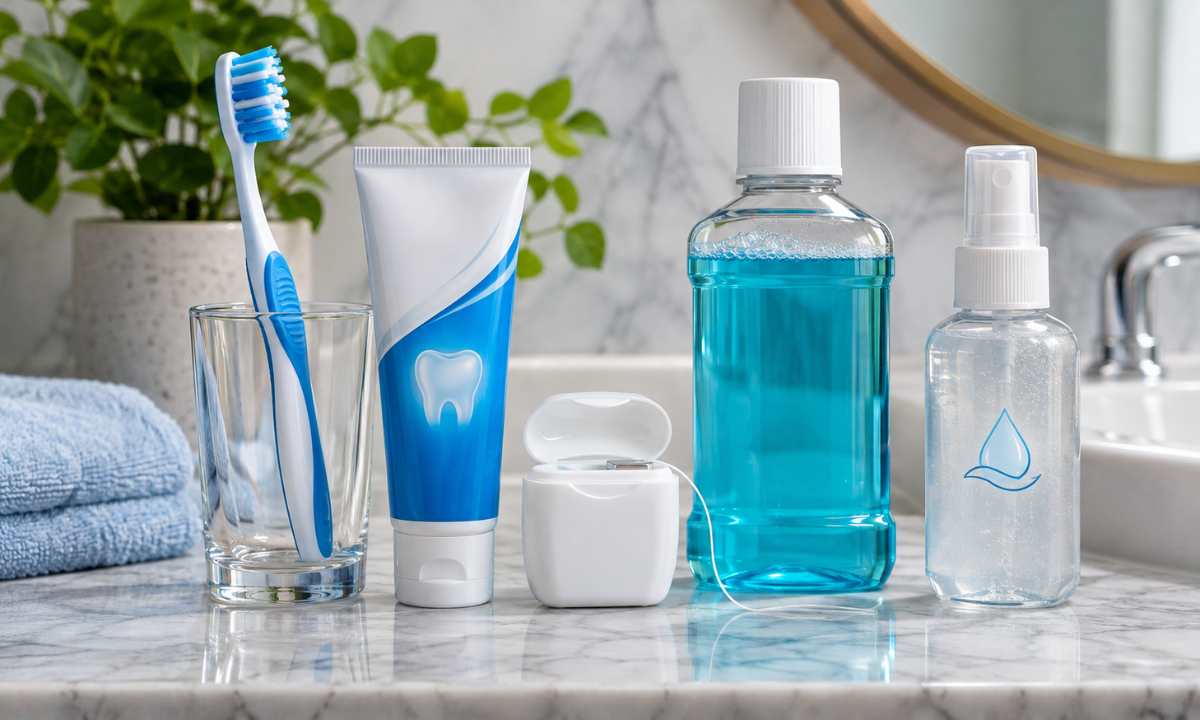
A dry mouth patient needs a more intensive oral care routine than the general population.
Brush twice daily: Brush twice a day with a soft-bristle brush and fluoride toothpaste. Use the modified Bass technique.
Prescription fluoride toothpaste: For patients at high cavity risk, dentists often prescribe a higher-concentration fluoride toothpaste (5,000 ppm) that remineralises teeth more effectively.
Daily fluoride rinse: 0.05 percent sodium fluoride rinse (available over-the-counter), used once daily, dramatically reduces cavity risk in dry mouth patients.
Floss or use interdental brushes daily: Without saliva, debris between teeth does not get washed away naturally.
Alcohol-free mouthwash: Standard alcohol-based mouthwashes worsen dry mouth. Use alcohol-free antibacterial rinses (chlorhexidine for short courses, or long-term alcohol-free formulations).
Saliva substitutes: Products like Biotene, Oralieve, and similar provide short-term moisture relief. Spray, gel, or rinse formats available.
Prescription saliva stimulants: For severe cases, doctors can prescribe pilocarpine or cevimeline, drugs that stimulate saliva production.
More frequent dental visits: Every 3 to 4 months rather than every 6 months, because problems develop faster and catching them early matters more.
Professional fluoride application: At each visit, a professional fluoride varnish provides additional protection.
Prompt treatment of any new cavities: Dry mouth makes cavities progress faster, so delays are expensive.
Dry mouth in diabetics (a special case)
Diabetics face a particularly difficult combination: higher cavity risk due to dry mouth, higher gum disease risk independently of dry mouth, slower healing from any dental procedure, and a 2 to 3 times higher overall oral disease risk than non-diabetics.
Why diabetics have dry mouth:
- High blood sugar causes increased urination and dehydration
- Direct damage to salivary gland function
- Most diabetes medications contribute mildly
- Diabetic nerve damage can affect saliva signalling
Compounding risk factors:
- Impaired immune response slows healing
- Elevated glucose in saliva feeds bacteria
- Diabetic microvascular disease affects gum blood supply
- Increased infection risk including oral thrush
Essential protocol for diabetic dry mouth:
- Keep HbA1c well controlled (tight blood sugar reduces dry mouth)
- Aggressive hydration (3+ litres daily)
- Dental check every 3 months, not 6
- Daily fluoride rinse
- Immediate attention to any new oral symptom
- Quit tobacco entirely
- Monitor for oral thrush (white patches)
A diabetic patient with dry mouth needs coordinated care between the dentist, physician, and (if present) endocrinologist. Our broader dental services for diabetics are available at our dental clinic in Bangalore and advanced gum treatment practice.
FAQs
What causes dry mouth in the morning?
Mouth breathing during sleep is the single most common cause. Alcohol consumption the night before, dehydration, and medications taken at night all contribute. Chronic morning dry mouth needs investigation if it persists.
Why do I have dry mouth at night?
Natural saliva flow drops during sleep (about 10 percent of daytime production). Mouth breathing, snoring, alcohol, caffeine late in the day, dry bedroom air, and nighttime medications amplify this. A humidifier and side sleeping often help significantly.
Can dry mouth cause bad breath?
Yes. Without saliva’s natural bacterial washing, odour-causing bacteria thrive. Dry mouth is one of the most common causes of persistent bad breath that brushing cannot fix. See our complete guide on causes of bad breath in the mouth.
Can dry mouth cause tooth decay?
Yes, significantly. Dry mouth is one of the strongest predictors of rapid cavity development in adults. Without saliva’s remineralisation and acid-neutralising effects, teeth become much more vulnerable.
Are over-the-counter saliva substitutes effective?
They provide short-term moisture and comfort but do not address underlying causes. Use them as one part of a complete approach, not as a standalone fix.
Can I take a medication to increase saliva?
Prescription medications (pilocarpine, cevimeline) can stimulate saliva in appropriate patients. They have side effects and require medical supervision. Reserved for moderate to severe cases.
Will drinking more water cure my dry mouth?
If the cause is dehydration, yes. If the cause is medication side effect, Sjögren’s syndrome, or salivary gland damage, no. Water helps comfort but does not fix the underlying production problem.
Can dry mouth be cured completely?
It depends on the cause. Medication-induced dry mouth often resolves when the medication is changed. Dehydration-induced dry mouth resolves with hydration. Age-related and autoimmune dry mouth (Sjögren’s) are managed rather than cured.
Does dry mouth get worse with age?
Generally yes, both because natural saliva production decreases and because older adults take more medications that cause dry mouth.
Is dry mouth dangerous?
Mild, occasional dry mouth is not dangerous. Chronic severe dry mouth significantly increases risk of rapid cavities, gum disease, oral thrush, and swallowing problems. It is a medical condition worth taking seriously.
Can dry mouth make dentures hurt?
Yes. Dentures rely on a thin saliva film for suction and comfort. Dry mouth makes dentures loose, painful, and prone to causing sores. Saliva substitutes and denture adhesives help manage this.
Can stress cause dry mouth?
Yes, both acutely (public speaking, anxiety) and chronically. Chronic anxiety disorders are an underrecognised cause of persistent dry mouth.
Should I stop my medications if they cause dry mouth?
Never without consulting your doctor. Dry mouth is manageable with the techniques in this guide. Stopping prescribed medications on your own can cause serious harm. The right approach is to discuss with your doctor whether a dose adjustment or alternative is possible.
Book a dry mouth consultation at Beyond Dental
If dry mouth has become a daily discomfort, if cavities are developing faster than before, or if bad breath will not go away despite good oral care, a specialist dental assessment can identify the cause and build a protection plan tailored to your medications, health conditions, and daily routine.
Beyond Dental is a Vasanth Nagar-based practice offering specialised dry mouth management as part of our dental clinic in Bangalore, teeth cleaning, advanced gum treatment, and gum disease treatment in Bangalore services.
Book a dry mouth dental consultation at Beyond Dental today.