
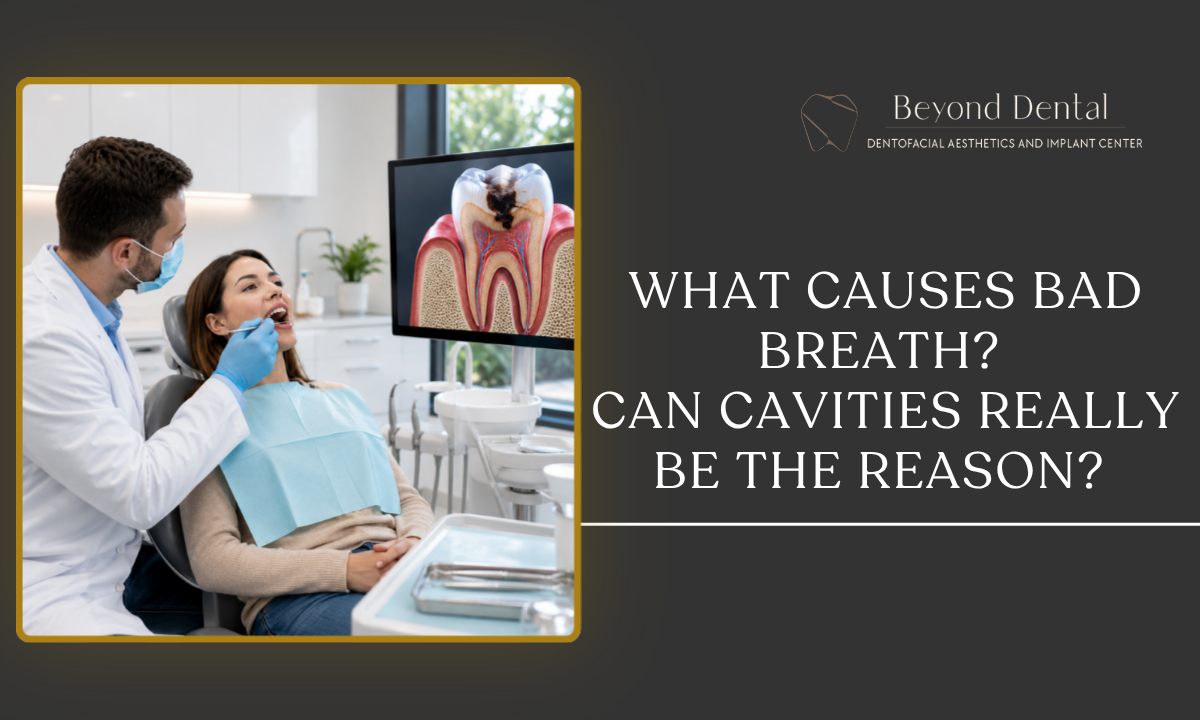
Bad breath, medically known as halitosis, is one of the most common and most embarrassing dental concerns people bring up during a check-up. If you have ever wondered what causes bad breath in your mouth, or asked yourself whether cavities cause bad breath, you are not alone. The truth is that persistent bad breath is rarely just about what you ate for lunch. In many cases, it is your mouth’s way of signalling that something deeper needs attention, such as gum disease or tooth decay, and cavities are one of the most overlooked culprits.
In this guide, we break down exactly why bad breath happens, how cavities contribute to it, and what you can do to get lasting fresh breath rather than a temporary fix from mints or mouthwash.
What Causes Bad Breath in the Mouth?
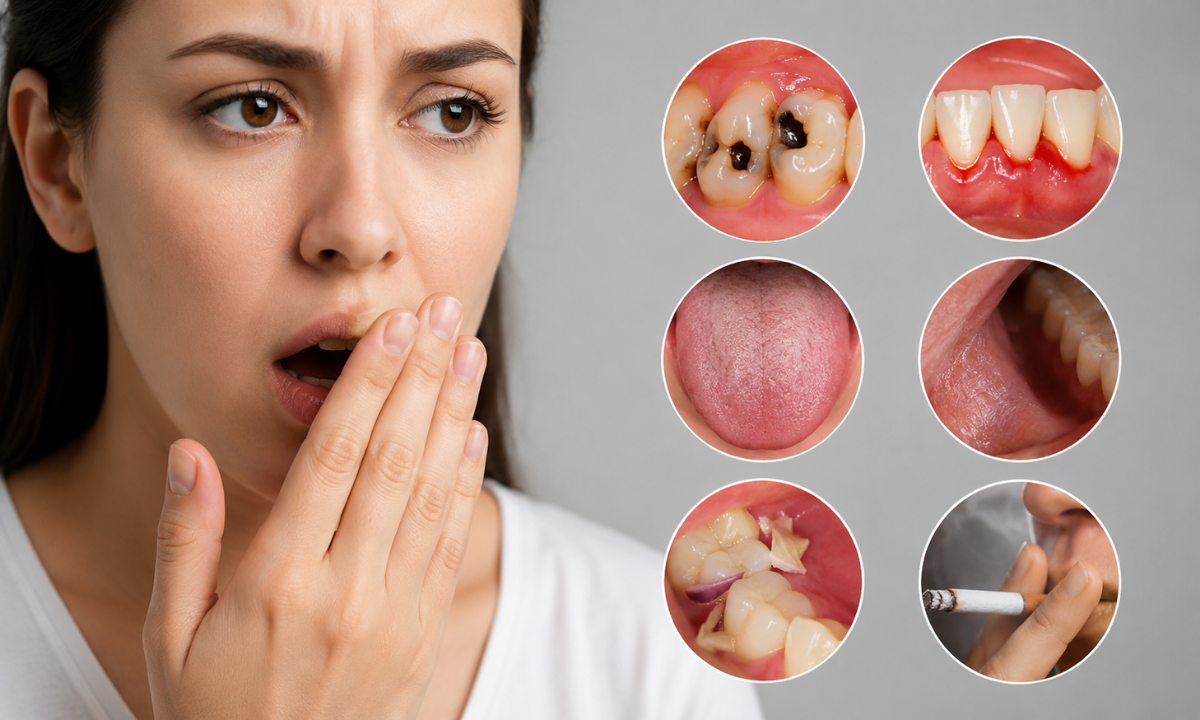
While cavities are a significant contributor, they are not the only cause of persistent bad breath. Understanding the full range of causes helps you identify what might be happening in your specific case.
1. Poor Oral Hygiene
When brushing and flossing are inconsistent, food particles remain in the mouth and break down, allowing bacteria to thrive. This bacterial build-up forms plaque, a sticky film that coats the teeth and gums and is a major source of odour.
2. Gum Disease
Gum disease, ranging from mild gingivitis to more advanced periodontitis, is closely linked to chronic bad breath. Inflamed gums, bleeding, and bacterial pockets around the teeth all contribute to a persistent foul smell that does not improve with regular brushing.
3. Dry Mouth
Saliva plays a crucial role in washing away food particles and bacteria. When saliva production drops, whether due to dehydration, certain medications, or breathing through the mouth while sleeping, bacteria are left to accumulate, leading to morning breath or ongoing dryness-related odour.
4. Tongue Bacteria
The surface of the tongue, particularly towards the back, is a common hiding spot for odour-causing bacteria. Many people brush their teeth diligently but forget the tongue entirely, missing a major source of bad breath.
5. Food and Lifestyle Habits
Strong-smelling foods such as garlic and onions, along with smoking and tobacco use, are well-known contributors to short-term bad breath. However, these tend to cause temporary odour rather than the persistent kind linked to dental decay or gum disease.
6. Underlying Cavities and Tooth Decay
As discussed above, cavities trap bacteria and food debris in places that are hard to clean, making them a frequent and often underestimated cause of chronic bad breath.
7. Other Medical Conditions
In some cases, bad breath can stem from conditions unrelated to the mouth, such as sinus infections, acid reflux, or issues with the tonsils. If dental causes have been ruled out, it may be worth discussing these possibilities with your doctor.
Do Cavities Cause Bad Breath?
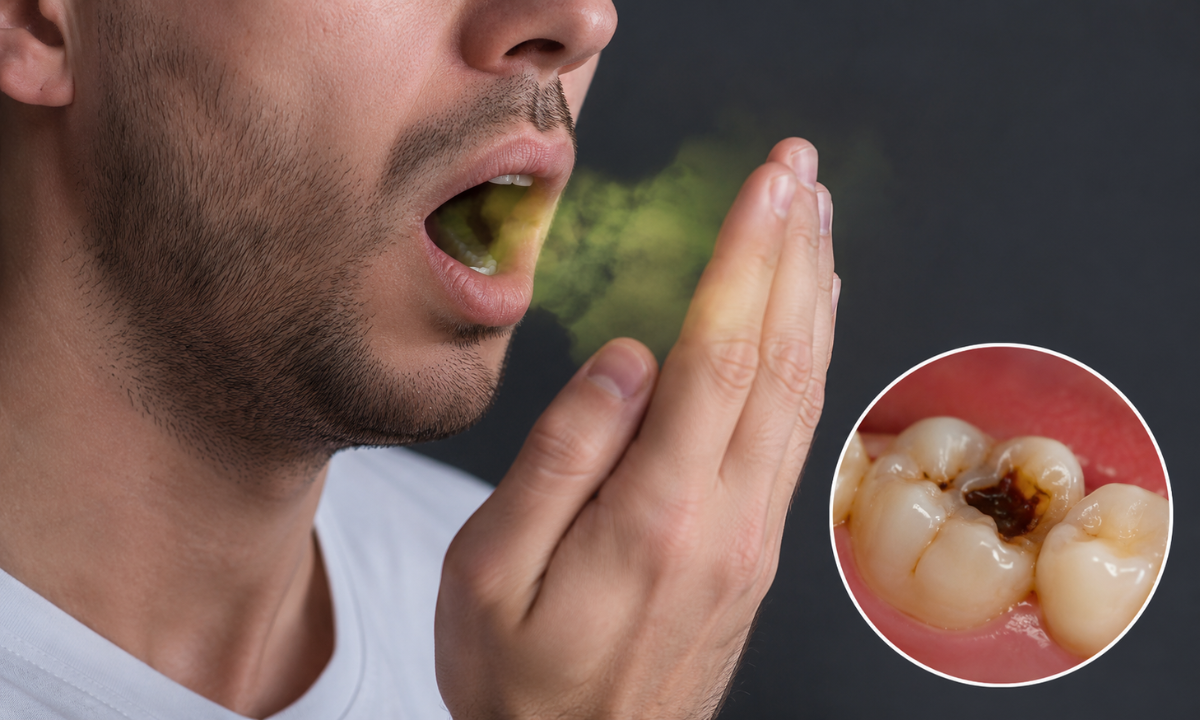
Yes, cavities can absolutely cause bad breath, and this connection is more direct than most people realise. A cavity is essentially a hole in your tooth caused by decay, where bacteria have eaten through the enamel and into the softer layers underneath. As this decay progresses, food particles, plaque, and bacteria get trapped inside the cavity itself.
Because this decayed area is difficult to clean with regular brushing, bacteria continue to multiply undisturbed. These bacteria feed on trapped food debris and produce sulphur compounds as a by-product, which is what creates that distinct, unpleasant odour associated with bad breath. The deeper and more advanced the cavity, the stronger the smell tends to be, particularly if the decay has reached the inner pulp of the tooth.
This is why bad breath that does not go away with brushing, flossing, or mouthwash is often a sign that a cavity or other underlying dental issue needs professional attention rather than home remedies alone. If left untreated for long enough, the consequences go well beyond bad breath, which is worth understanding if you want to know what happens if you ignore a cavity for too long.
How to Tell If Your Bad Breath Is Caused by a Cavity
It is not always obvious whether bad breath is coming from a cavity or another source. A few signs can point specifically towards tooth decay as the cause.
- Bad breath concentrated on one side of the mouth, particularly near a specific tooth
- Visible dark spots, holes, or pits on a tooth
- Sensitivity or pain when eating something sweet, hot, or cold
- A bad taste in the mouth that lingers even after brushing
- Food regularly getting stuck in a particular tooth
If you notice any of these alongside persistent bad breath, it is a strong indication that a cavity may be at the root of the problem, and a dental examination is the most reliable way to confirm this.
How Cavities Are Treated to Eliminate Bad Breath

The good news is that cavity-related bad breath is very treatable once the underlying decay is addressed. Depending on how advanced the cavity is, treatment options generally include a filling to remove the decayed portion of the tooth and seal it, or in more advanced cases, a root canal treatment if the decay has reached the inner pulp of the tooth. For teeth that are significantly damaged, a dental crown may be recommended to restore both strength and function. Once the decayed material is removed and the tooth is properly restored, the source of the bacterial build-up is eliminated, and the associated bad breath typically resolves as well.
Practical Steps to Prevent Bad Breath Caused by Cavities

Prevention remains the most effective strategy, and most of it comes down to consistent daily habits.
Brush thoroughly, twice a day. Focus not just on the front surfaces of your teeth but also the back molars, where cavities often develop unnoticed.
Floss daily. Cavities frequently form between teeth where a toothbrush cannot reach. Flossing removes trapped food and plaque from these spaces.
Clean your tongue. Use a tongue scraper or your toothbrush to gently clean the surface of your tongue each day, as this is a major source of odour-causing bacteria.
Stay hydrated. Drinking enough water throughout the day helps maintain saliva flow, which naturally cleanses the mouth.
Limit sugary and starchy foods. These feed the bacteria responsible for both cavities and bad breath, so moderating intake can reduce your risk of both.
Visit your dentist regularly. Routine check-ups allow small cavities to be caught and treated early, well before they progress to the point of causing noticeable bad breath or pain.
When to See a Dentist About Bad Breath
If your bad breath persists despite good oral hygiene, or if you notice any of the warning signs mentioned earlier, it is time to book a dental check-up rather than relying on temporary fixes like gum or mouthwash. A thorough dental examination, sometimes supported by an X-ray, can identify hidden cavities, gum disease, or other issues that are not visible to the naked eye.
According to Dr Chinmaya Bhandary, Clinical Director at Beyond Dental, persistent bad breath should never be dismissed as a cosmetic inconvenience, as it is often the mouth’s earliest warning sign of decay or gum disease that is otherwise painless in its initial stages.
If you are searching for a reliable dentist in Vasanth Nagar, Bangalore, an early diagnosis can save you from more invasive treatment later on and help you address the root cause of the problem rather than just masking the symptom.
Why Choose Beyond Dental for Bad Breath and Cavity Treatment
At Beyond Dental, we take a thorough, patient-first approach to diagnosing the real cause of bad breath rather than simply prescribing another mouthwash. Our team examines your teeth, gums, and overall oral health to pinpoint whether a cavity, gum disease, or another factor is responsible, and we create a treatment plan tailored to resolve it at the source.
If you have been dealing with bad breath that will not go away, our dental clinic in Vasanth Nagar, Bangalore offers comprehensive examinations to identify hidden cavities and other underlying issues before they progress further.
Final Thoughts
Bad breath is more than just a social inconvenience. It is frequently a signal from your mouth that something needs attention, and cavities are among the most common yet overlooked causes. Rather than relying on temporary fixes, understanding the root cause and seeking a proper dental evaluation is the most effective way to achieve genuinely fresh breath.
If persistent bad breath has been bothering you, Beyond Dental is here to help identify the cause and provide the right treatment, whether that means a simple filling or more comprehensive care.
Frequently Asked Questions
Can a small cavity cause bad breath?
Yes, even a small cavity can cause noticeable bad breath if it is in a location where food and bacteria easily become trapped, such as between teeth or in the grooves of molars.
Will fixing a cavity get rid of bad breath immediately?
In most cases, bad breath improves significantly once the decayed portion of the tooth is removed and properly restored, since the source of bacterial build-up has been eliminated. However, if gum disease or other factors are also present, those will need to be addressed separately for complete relief.
Can brushing harder get rid of cavity-related bad breath?
No, brushing harder will not resolve bad breath caused by a cavity, since the decay itself is often in a spot a toothbrush cannot reach. Professional treatment is needed to remove the affected tissue and stop the bacterial activity causing the odour.
Is bad breath from a cavity a sign of a serious problem?
It can be, particularly if the decay has progressed close to or into the tooth’s nerve. Persistent bad breath alongside pain, swelling, or sensitivity should be evaluated promptly to prevent the need for more extensive treatment.
How can I tell the difference between normal bad breath and cavity-related bad breath?
Normal bad breath, such as morning breath or odour after eating strong foods, tends to improve after brushing and generally clears within a few hours. Cavity-related bad breath is persistent, often localised to one area of the mouth, and does not go away with typical oral hygiene efforts.