
Most people hear “root canal” and immediately picture something painful, drawn out, and expensive. That reaction is understandable, but it is also largely outdated.
Root canal treatment today is a routine procedure. It is one of the most effective ways to save a tooth that would otherwise need to be extracted, and for the vast majority of patients, it is far less uncomfortable than they expected. The fear around it is almost always bigger than the procedure itself.
If you have been told you need a root canal, or if you have just had one done and have questions about what comes next, this guide answers the four things patients ask most: what to eat after, how long the treatment lasts, how many sittings it takes, and when it is actually needed in the first place.
When Is Root Canal Treatment Required?
This is the question worth starting with, because understanding when an RCT is necessary helps remove a lot of the anxiety around it.
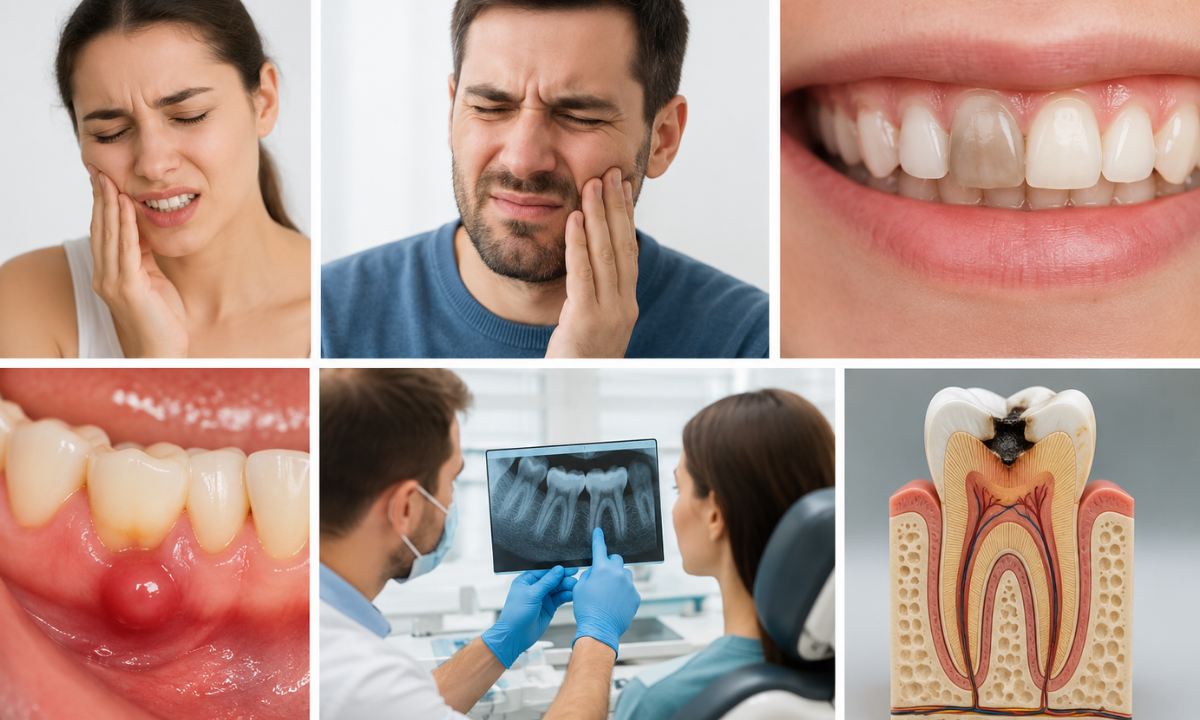
A root canal is required when the pulp inside your tooth gets infected or inflamed. The pulp is the soft tissue at the centre of the tooth that contains nerves and blood vessels. When bacteria reach this layer, usually through a deep cavity, a cracked tooth, or repeated dental procedures on the same tooth, the infection cannot heal on its own.
Your dentist will typically recommend root canal treatment when you have:
- Severe toothache that does not go away, especially when biting or applying pressure
- Prolonged sensitivity to hot or cold that lingers even after the source is removed
- A darkening or discolouration of the tooth
- Swelling or tenderness in the gums near the affected tooth
- A persistent pimple-like bump on the gums, which is often a sign of an abscess
- A deep cavity that has reached the pulp layer
One thing worth understanding is that sometimes there are no obvious symptoms at all. A tooth can have a pulp infection that shows up on an X-ray before causing noticeable pain. This is one of the reasons regular dental check-ups matter. Catching the problem early means the treatment is simpler, faster, and less involved.
If you have been putting off a check-up and have any of the symptoms above, visiting a dentist in Vasanth Nagar, Bangalore, sooner rather than later can make a significant difference in the complexity of treatment needed.
How Many Sittings Does Root Canal Treatment Take?
This varies depending on the tooth and the severity of the infection, but here is the general picture:
A single-sitting RCT is possible in many straightforward cases. If the infection is contained, the canals are not too complex, and the tooth is in good condition overall, the entire procedure can be completed in one appointment lasting 60 to 90 minutes.
Two-sitting RCT is more common when there is an active infection that needs to be managed before the canals are sealed, or when the tooth anatomy is more complex. In the first sitting, the infected pulp is removed, and the canals are cleaned. A medicated dressing is placed, and the tooth is temporarily sealed. In the second sitting, usually a week to two weeks later, the canals are permanently filled and sealed.
Multiple sittings may be needed for molars, which have more canals and more complex anatomy, or for cases involving significant infection or retreatment of a previously done root canal.
| Case Type | Number of Sittings | Typical Duration Per Sitting |
|---|---|---|
| Simple single-rooted tooth, no active infection | 1 sitting | 60 to 90 minutes |
| Active infection present | 2 sittings | 45 to 60 minutes each |
| Molar with multiple canals | 2 to 3 sittings | 60 to 90 minutes each |
| Retreatment of a failed RCT | 2 to 3 sittings | 60 to 90 minutes each |
The number of sittings is not a reflection of how bad the problem is. It is a reflection of what gives your tooth the best long-term outcome. At Beyond Dental, the approach is always to plan treatment around what is right for the tooth, not what is fastest.
How Long Does Root Canal Treatment Last?

A well-done root canal, followed by a proper crown, can last a lifetime.
The treatment itself involves removing the infected pulp, cleaning and shaping the canals, and sealing them to prevent reinfection. Once this is done, the tooth no longer has a living pulp, but it remains fully functional for biting, chewing, and everything else.
The longevity of the treatment depends on two key things:
The crown was placed after RCT
After a root canal, the tooth becomes more brittle because it no longer receives nutrients from the pulp. A crown protects it from cracking under the pressure of chewing. Patients who skip the crown or delay it significantly are at a much higher risk of the tooth fracturing, which can lead to extraction. The crown is not optional. It is a critical part of making the treatment last.
Oral hygiene and regular check-ups
The treated tooth cannot get a new cavity in the pulp since there is no pulp left, but the root can still be affected by gum disease or decay at the margins of the crown. Brushing properly, flossing, and visiting your dentist regularly protects the tooth for decades.
In rare cases, a root canal can fail if a canal was missed during treatment, if the seal breaks down over time, or if a new infection develops. These cases can often be retreated successfully rather than extracted.
Root Canal Treatment in Vasanth Nagar
If you are looking for root canal treatment in Vasanth Nagar, Beyond Dental offers precise, comfortable RCT using modern techniques and equipment that make the procedure significantly more predictable and far less stressful than it used to be.
Dr Chinmaya Bhandary and the team take time to explain what is happening in the process, so you never feel like you are in the dark about your own treatment. Whether it is a single-sitting case or a more involved procedure, the focus is always on saving the tooth and getting it right the first time.
What to Eat After Root Canal Treatment
This is the question most patients ask right before they leave the clinic, and it is a good one. What you eat in the days following an RCT directly affects how comfortable your recovery is and how well the tooth heals.
The First 24 Hours
Avoid eating anything until the local anaesthesia has fully worn off. This usually takes 2 to 4 hours. Eating while numb increases the risk of accidentally biting your cheek or tongue without realising it.
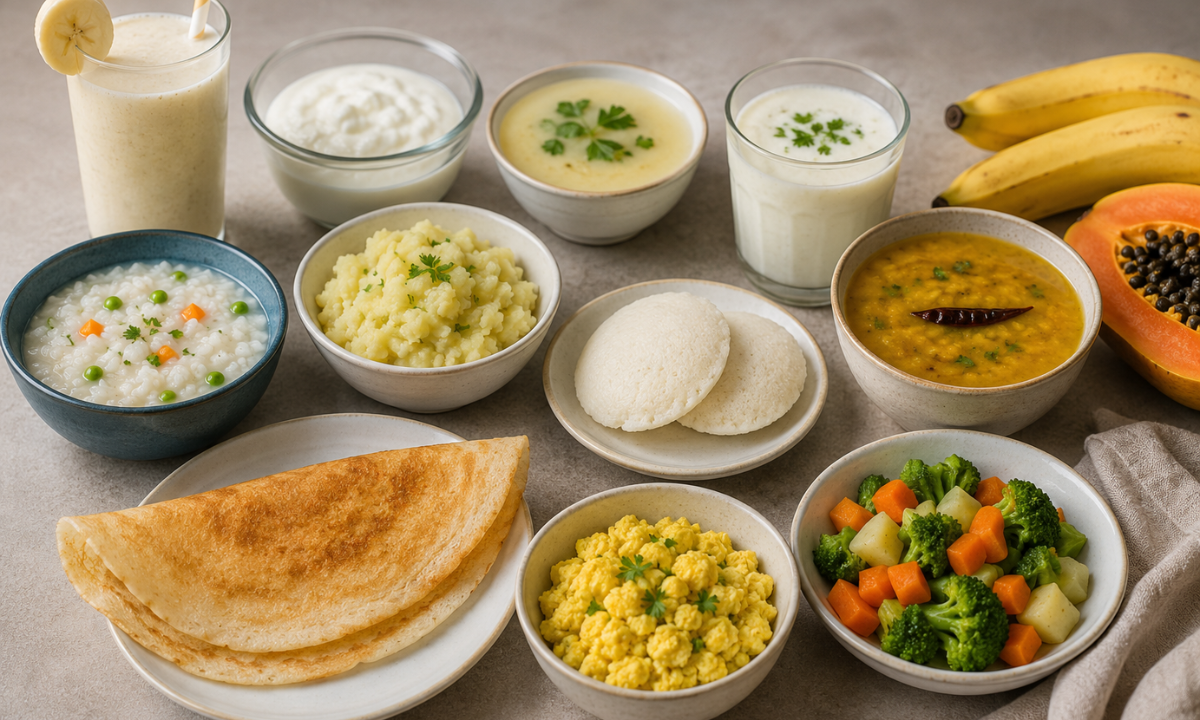
Once the numbness has gone, stick to soft foods that require minimal chewing:
- Yoghurt, curd, and smoothies
- Mashed dal, khichdi, or porridge
- Soft idlis or dosas without crunchy accompaniments
- Bananas, boiled vegetables, or soft fruit
- Scrambled eggs or soft paneer
- Soup, provided it is not too hot
Avoid hard, crunchy, or chewy foods entirely for the first 24 hours. Also, avoid very hot or very cold foods and drinks, since the tooth and surrounding gum will be sensitive.
The First Week
For the first few days, continue eating on the opposite side of your mouth if possible. The treated tooth, especially if it has a temporary filling, is more vulnerable until the permanent filling is done and a crown is placed.
Foods to continue avoiding:
- Hard foods like nuts, raw carrots, hard biscuits, or crusty bread
- Sticky foods like chewing gum, toffees, or very chewy meats
- Extremely hot or cold food and drinks
- Crunchy snacks like chips or fried items
Foods that are safe and comfortable:
- Rice, roti softened with dal or curry, soft sabzi
- Cooked lentils, soft pasta, or noodles
- Paneer, eggs, or soft fish
- Fruits like banana, papaya, or mango
- Curd, buttermilk, or lassi
When Can You Eat Normally Again?
Most patients are back to eating normally within a few days once the initial sensitivity settles. Once the permanent crown is placed and your dentist confirms the tooth is stable, there are no long-term dietary restrictions.
If you experience significant pain, swelling, or the temporary filling feels loose or falls out, contact your dental clinic in Vasanth Nagar promptly rather than waiting for your next scheduled appointment.
A Few Things Patients Often Get Wrong After RCT
Skipping the crown
The most common mistake. The root canal cleans and seals the tooth, but without a crown, a tooth that has had RCT is at serious risk of fracturing. Many patients delay the crown because the pain is gone, and they do not feel urgency. Do not wait more than 2 to 3 weeks after treatment to get the crown placed.
Assuming pain means the treatment failed
Some tenderness and soreness for 2 to 5 days after the procedure is completely normal. The area around the tooth was worked on, and mild inflammation is expected. Over-the-counter pain relief is usually sufficient. Genuine failure or reinfection is rare and has distinct signs like swelling, fever, or pain that gets worse rather than better.
Not finishing the treatment
Some patients feel better after the first sitting and do not return for the second. The tooth is not fully treated until it is permanently sealed and crowned. Leaving it unfinished creates a direct path for bacteria to re-enter the canals.
Frequently Asked Questions
Is root canal treatment painful?
Modern RCT is performed under local anaesthesia, which means you should feel no pain during the procedure. Most patients describe feeling pressure or movement, but nothing sharp. Post-procedure soreness for a few days is normal and managed with mild pain relief.
Can I brush my teeth after a root canal?
Yes. You can brush gently the same evening. Avoid pressing too hard on the treated area for the first day or two. Continue brushing and flossing normally after that.
Can root canal treatment be done in one day?
Yes, in many cases. Single-sitting root canal treatment is standard practice for uncomplicated cases. Your dentist will assess whether your case qualifies based on the extent of infection and the tooth anatomy.
What happens if I delay root canal treatment after being told I need it?
The infection will worsen. An infected pulp does not heal on its own. Left untreated, the infection spreads to the bone and surrounding tissue, increases pain significantly, and may eventually make the tooth unreparable, requiring extraction instead. At that point, replacing the tooth with a dental implant becomes necessary, which is a longer and more expensive process than treating the original infection early.
How do I know if my root canal has failed?
Signs of failure include persistent or worsening pain weeks after treatment, swelling that does not resolve, sensitivity to biting, or a new abscess forming. If you notice any of these, visit your dentist promptly. Most failed root canals can be retreated successfully.
Is it better to extract the tooth than do a root canal?
In almost all cases, saving your natural tooth is the better option. A natural tooth with a root canal and crown functions exactly like any other tooth and can last decades. Extraction leads to bone loss in the jaw over time and requires a replacement, usually an implant or bridge, to restore function. Root canal treatment, when indicated, is almost always the smarter long-term decision.