
Mouth cancer is a serious health condition that can affect the lips, tongue, gums, inner cheeks, floor of the mouth and other tissues of the oral cavity. Recognising the early warning signs and seeking professional evaluation can make a significant difference in diagnosis and treatment.
Many people dismiss unusual mouth sores, red or white patches, or persistent discomfort as minor dental problems. However, when these changes do not heal, they should not be ignored. Regular dental check-ups and timely consultations can help identify suspicious changes before they progress.
At a Dental clinic in Vasanth Nagar, maintaining good oral health begins with preventive care, awareness and timely dental consultations. Understanding the early signs of mouth cancer can help you make informed decisions about your oral health.
What Is Mouth Cancer?
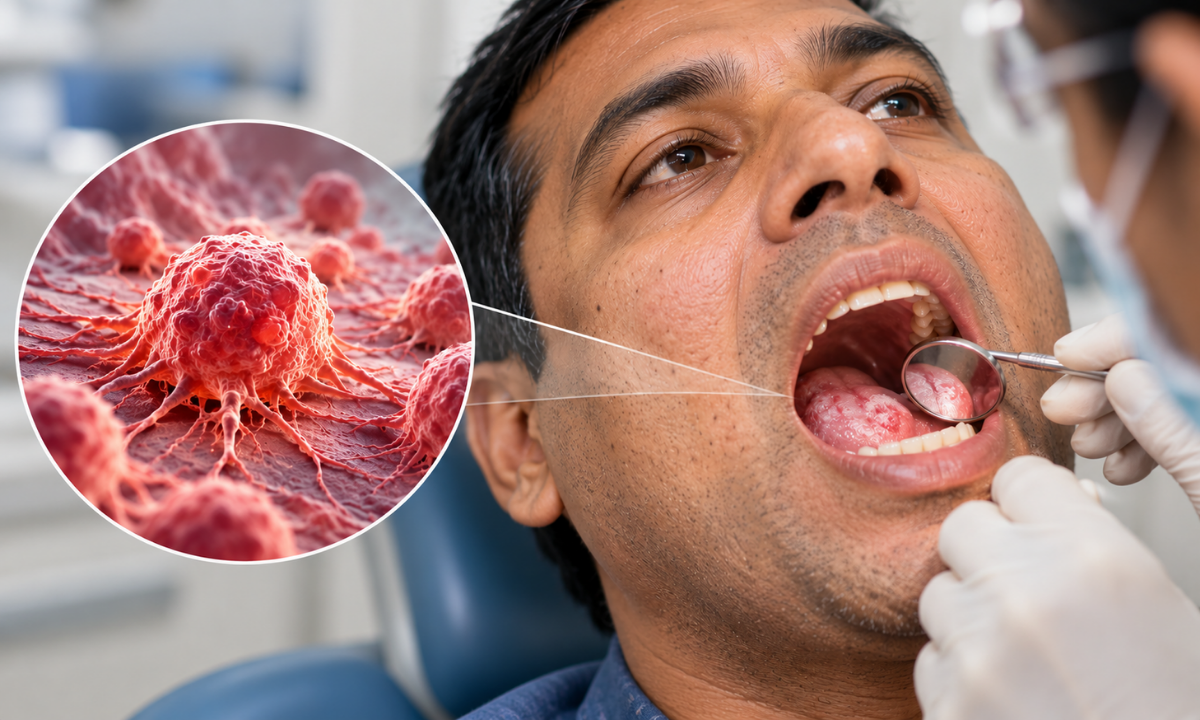
Mouth cancer, also known as oral cancer, develops when abnormal cells grow uncontrollably in tissues inside the mouth or on the lips. It can affect the tongue, gums, inner cheeks, roof or floor of the mouth, and other nearby areas.
In India, oral cancer is an important public health concern, particularly because tobacco consumption in forms such as cigarettes, beedis, gutka and chewing tobacco contributes significantly to the risk.
Although certain habits increase the likelihood of developing oral cancer, anyone can be affected. This is why recognising unusual changes in your mouth and attending regular dental examinations are essential.
7 Early Signs of Mouth Cancer You Should Never Ignore
1. Mouth Ulcers That Do Not Heal
Occasional mouth ulcers are common and usually heal within a week or two. However, an ulcer that persists for more than two to three weeks, particularly without an obvious cause, needs professional evaluation.
Pay attention to sores that bleed easily, become increasingly painful or develop raised or irregular edges. Avoid repeatedly applying home remedies without identifying the underlying cause.
2. Red or White Patches Inside the Mouth
Unusual red patches, white patches or areas containing both red and white tissue can sometimes indicate precancerous changes or oral cancer.
These patches may appear on the tongue, gums, inner cheeks or floor of the mouth. They may not cause pain, which makes them easy to overlook.
If a patch persists or changes in appearance, consult a dentist rather than assuming it is harmless.
3. Lumps, Thickening or Unusual Growths
A lump, thickened area or persistent swelling inside the mouth or on the lips should be examined, particularly if it feels firm, has irregular edges or continues to grow.
You should also pay attention to unexplained lumps in the neck, which may require medical assessment.
Not every lump indicates cancer, but identifying its cause is important for appropriate treatment.
4. Persistent Mouth Pain or Numbness
Ongoing pain, tenderness, burning sensations or unexplained numbness in the tongue, lips or other areas of the mouth can be warning signs.
Although these symptoms often result from infections, injuries or other dental conditions, persistent discomfort deserves attention, especially when accompanied by visible changes in the oral tissues.
5. Difficulty Chewing, Swallowing or Moving Your Jaw
Notice whether chewing food, swallowing liquids, speaking or moving your tongue has become unusually difficult.
Persistent stiffness, restricted jaw movement or a sensation that something is stuck in your throat should not be ignored. These symptoms may have several causes, but a dental or medical examination can help determine what is responsible.
6. Unexplained Bleeding or Loose Teeth
Bleeding from an area inside the mouth without an obvious injury should be evaluated. Similarly, teeth that become loose without a clear dental explanation or dentures that suddenly stop fitting properly may indicate an underlying problem.
Gum disease and other common conditions can cause similar symptoms. A professional assessment helps distinguish between routine dental issues and more concerning changes.
7. Persistent Sore Throat, Voice Changes or Ear Pain
A sore throat that does not improve, persistent hoarseness, unexplained ear pain or a continuing sensation of something caught in the throat may sometimes be associated with cancers of the mouth or surrounding throat tissues.
If these symptoms persist, particularly alongside mouth sores, patches or lumps, seek medical advice.
When Should You See a Dentist?
Do not wait if you notice a suspicious or persistent change in your mouth. Arrange a dental or medical consultation if you experience:
- A mouth ulcer that has not healed within two to three weeks.
- Persistent red or white patches.
- An unexplained lump or thickened area.
- Ongoing mouth pain, numbness or bleeding.
- Difficulty chewing, swallowing, speaking or moving your jaw.
- A lump in the neck or unexplained changes in your teeth or dentures.
Seek prompt assessment for concerning symptoms rather than waiting for them to worsen. If you have difficulty breathing or cannot swallow saliva, seek emergency medical care.
These symptoms do not automatically mean you have cancer. However, professional evaluation is essential to determine their cause.
Who Is at Higher Risk of Mouth Cancer?

Several factors can increase the risk of developing oral cancer, including:
- Tobacco use: Smoking, chewing tobacco and other tobacco products increase risk.
- Alcohol consumption: Heavy alcohol use contributes to oral cancer risk, particularly when combined with tobacco.
- Increasing age: Risk generally increases with age, although younger people can also develop oral cancer.
- Certain HPV infections: Some human papillomavirus infections are associated with cancers of the oropharynx.
- Prolonged sun exposure: This can increase the risk of cancer affecting the lips.
Reducing tobacco and alcohol exposure, protecting your lips from excessive sunlight and maintaining regular dental visits are useful preventive measures.
How Is Mouth Cancer Diagnosed?
Diagnosis usually begins with a detailed examination of the mouth, tongue, gums, lips, throat and neck. Your dentist or doctor may ask about your symptoms, medical history and tobacco or alcohol use.
If an abnormal area is identified, you may be referred to an oral medicine specialist, oral and maxillofacial surgeon or head-and-neck specialist. A biopsy, in which a small tissue sample is examined in a laboratory, is often needed to confirm whether cancer is present.
Additional imaging tests may be recommended when cancer is suspected or confirmed. Depending on the clinical situation, these can include CT, MRI or PET-CT scans to assess the extent of disease and help guide treatment.
If your treating specialist recommends further imaging, you can explore a PET-CT scan in Bangalore through Kiran PET CT. The appropriate scan and its timing should always be determined by your treating medical team.
How Can You Reduce Your Risk?
Although not every case of mouth cancer can be prevented, you can take practical steps to support your oral health:
- Avoid smoking, chewing tobacco, gutka and other tobacco products.
- Limit alcohol consumption or avoid it altogether.
- Brush twice daily and maintain good oral hygiene.
- Attend regular dental check-ups and ask about an oral cancer examination when appropriate.
- Examine your mouth periodically for unusual patches, sores or lumps.
- Seek professional advice when a change persists or concerns you.
Remember that self-examination can help you notice changes, but it cannot replace a professional evaluation.
Why Regular Dental Check-Ups Matter
Routine dental visits are not just about treating toothaches or maintaining a bright smile. They also provide an opportunity to identify abnormalities in the mouth that may otherwise go unnoticed.
At a dental clinic patients can seek professional dental care and guidance on maintaining healthy teeth and gums. If you notice an unusual sore, persistent patch or unexplained lump, schedule an assessment instead of relying solely on home remedies.
Early evaluation helps clarify the cause of symptoms and allows appropriate treatment or specialist referral when necessary.
Frequently Asked Questions
Can mouth cancer develop without pain?
Yes. Early oral cancer may not cause noticeable pain. Persistent patches, sores or lumps should be evaluated even if they are painless.
Are all white patches or mouth ulcers cancerous?
No. Many are caused by infections, irritation or other non-cancerous conditions. Persistent or unexplained changes need professional assessment.
Can a dentist detect mouth cancer early?
A dentist can identify suspicious changes during an oral examination and recommend further tests or specialist referral when necessary.
Is PET-CT necessary for diagnosing mouth cancer?
Not in every case. Diagnosis commonly requires clinical examination and, when indicated, biopsy. PET-CT may be used in selected cases to assess the extent of confirmed or suspected cancer, based on specialist advice.
Conclusion
Recognising the early signs of mouth cancer is an important step towards protecting your health. Persistent ulcers, unusual red or white patches, lumps, unexplained bleeding and difficulty chewing or swallowing should never be overlooked.
If a symptom lasts longer than two weeks, or sooner if it is concerning, arrange a professional assessment. Regular dental check-ups, avoiding tobacco and seeking timely medical advice can support early detection and better-informed treatment decisions.
Concerned about an unusual change in your mouth? Visit a Dental clinic in Vasanth Nagar, Bangalore to explore dental care options and take the next step towards better oral health.