
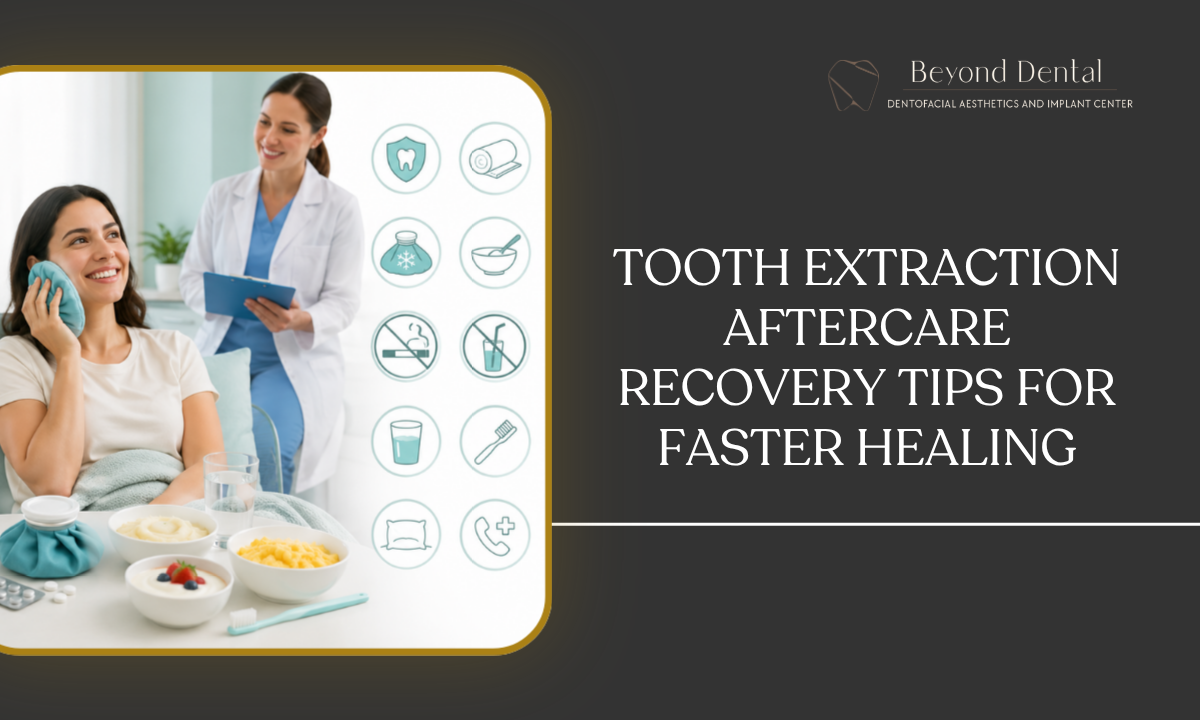
Knowing what to do after a tooth extraction makes the difference between a smooth, quick recovery and one with avoidable complications. Whether you had a simple extraction or a slightly more involved surgical one, the steps you take in the first hours and days matter most. This guide walks you through the full recovery timeline, the aftercare that actually works, and the warning signs that mean you should call your dentist. If you are preparing for or recovering from a tooth extraction in Vasanth Nagar, Bangalore, this is everything you need to know.
Why Teeth Are Extracted
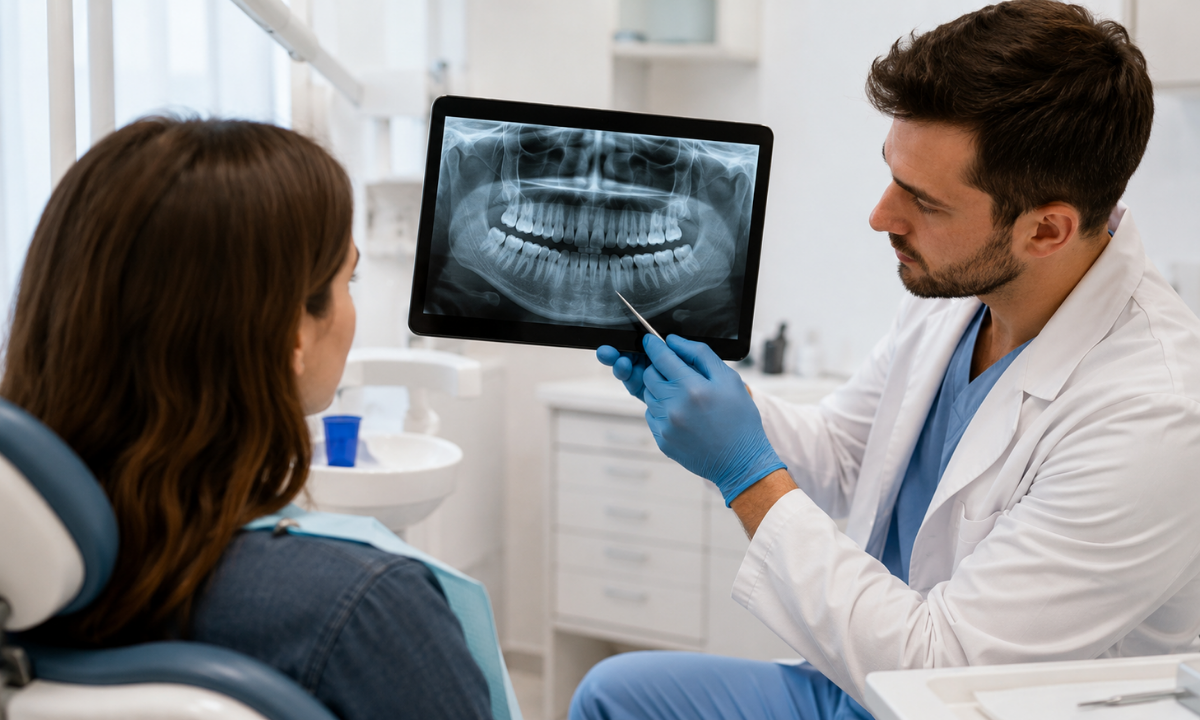
A tooth is only removed when there is a clear reason to do so and saving it is no longer the better option. Dentists always try to preserve a natural tooth where they can, so an extraction is usually the final step after other treatments have been considered.
The most common reason is severe tooth decay. When a cavity is left untreated for too long, it can destroy so much of the tooth that a filling or crown is no longer enough to repair it. Advanced gum disease is another frequent cause, as the infection gradually weakens the bone and tissue holding the tooth in place until it becomes loose. A tooth that has broken or cracked below the gum line often cannot be saved either, and removal is the safest option.
Extractions are also carried out for reasons beyond damage. Overcrowding is a common issue where a tooth is removed to create space before braces or aligners straighten the rest. Impacted wisdom teeth, which become trapped against neighbouring teeth or the jawbone, are regularly removed to prevent pain, infection, and shifting. In some cases, a tooth that cannot be saved by root canal treatment is extracted instead, particularly when the infection is too widespread to control.
Whatever the underlying reason, the recovery process that follows is broadly similar, and the aftercare steps in this guide apply to most types of extraction.
The First 24 Hours After Extraction

The first day is the most important, because this is when a blood clot forms in the empty socket. That clot is the foundation of healing, and protecting it is the single biggest thing you can do for a smooth recovery.
Right after the procedure, your dentist will place a gauze pad over the socket and ask you to bite down gently for thirty to sixty minutes. This pressure helps the clot form. Some oozing of blood is normal for the first few hours. You may also feel the anaesthetic wearing off, so it is sensible to take any prescribed pain relief before the numbness fully fades.
During these first 24 hours, focus on rest and protecting the clot:
- Bite on gauze for the first hour, replacing it if needed, until the bleeding slows to a light ooze.
- Rest with your head slightly raised, even when lying down, to reduce bleeding and swelling.
- Apply a cold compress to the cheek for ten to fifteen minutes at a time to control swelling.
- Avoid rinsing, spitting, or using a straw, as the suction can dislodge the clot.
- Do not smoke or drink alcohol, both of which slow healing and raise the risk of complications.
- Stick to soft, cool foods such as yoghurt, mashed potato, or soup once any bleeding has stopped.
If you follow these steps, you give the socket the best possible start.
Managing Pain and Swelling
Mild to moderate discomfort is normal for the first two to three days, and it usually peaks around the second day before easing off. Over-the-counter pain relief is enough for most simple extractions, while surgical extractions may need something stronger that your dentist will prescribe. Take pain relief as directed rather than waiting for the pain to build.
Swelling is your body’s natural response to the procedure and is nothing to worry about in itself. A cold compress in the first 24 hours helps keep it down. After the first day, switching to gentle warmth, such as a warm compress, can ease any stiffness in the jaw. Some bruising on the cheek or jaw is also possible after a surgical extraction and will fade on its own within a week or so.
The Recovery Timeline
Healing happens in stages, and knowing roughly what to expect at each point helps you tell normal progress from a problem.
In the first one to two days, the clot is forming and stabilising, and this is when discomfort and swelling are at their highest. Over the next three to seven days, the swelling settles, the pain fades, and the soft tissue around the socket begins to close. By one to two weeks, the gum tissue has largely healed over, though the socket itself is still knitting together underneath. Full bone healing inside the socket takes longer, often several weeks to a few months, but you will not feel this happening and can return to normal life well before it completes.
Most people feel comfortable enough to resume their usual routine within two to three days for a simple extraction, and within about a week for a surgical one.
Eating and Drinking After an Extraction

What you eat in the first few days makes a real difference. For the first 24 hours, stick to cool, soft foods that need no chewing near the extraction site. Think yoghurt, smoothies eaten with a spoon rather than a straw, mashed vegetables, scrambled eggs, and soups that are warm rather than hot. As the days pass and the site feels more comfortable, you can gradually reintroduce firmer foods, chewing on the opposite side of your mouth.
It is best to avoid anything crunchy, spicy, very hot, or chewy until the area has settled, as these can irritate or disturb the socket. Small seeds and grains are worth avoiding too, since they can lodge in the socket and cause problems.
Keeping the Area Clean
Good hygiene matters, but it has to be gentle. For the first 24 hours, leave the area completely alone and do not rinse at all. From the second day onwards, you can rinse very gently with warm salt water, around half a teaspoon of salt in a glass of warm water, two or three times a day, especially after meals. Let the water fall out of your mouth rather than spitting forcefully.
Carry on brushing the rest of your teeth as normal, but keep the brush away from the socket itself for the first few days. Keeping your mouth clean without disturbing the clot is the balance you are aiming for. The team at Beyond Dental will give you tailored aftercare instructions based on the type of extraction you had.
Warning Signs to Watch For
Most extractions heal without any trouble, but it helps to know the signs that something needs attention. Contact your dentist if you experience heavy bleeding that does not slow after biting on gauze, severe pain that worsens after the third day rather than improving, a foul taste or smell from the socket, swelling that keeps increasing after the third day, fever, or difficulty swallowing or breathing.
One specific complication to be aware of is dry socket, where the protective clot is lost too early, and the underlying bone is exposed. It usually shows up as a sharp, throbbing pain a few days after the extraction, often spreading to the ear. It is uncomfortable but easily treated, so call your dentist promptly if you suspect it. According to the American Dental Association, avoiding smoking and straws is one of the most effective ways to prevent it.
When to See Your Dentist
A follow-up is not always needed for a simple extraction, but it is worth booking one if you have stitches that need removing or if your dentist advised it. Beyond that, trust your instincts. If something feels wrong, if pain is not settling, or if you are simply unsure whether your healing is on track, it is always better to ask. A quick check with a dentist in Vasanth Nagar, Bangalore, can put your mind at rest and catch any issues early.
If you are thinking ahead about replacing the extracted tooth, this is also a good time to discuss your options, whether that is an implant, bridge, or denture. A trusted clinic like Beyond Dental, led by Dr Chinmaya Bhandary (Clinical Director, MDS in Prosthodontics), can take you through what suits your situation once the area has healed and guide you through every step of your recovery.
Conclusion
Recovering from a tooth extraction is usually far simpler than most people expect. The key is protecting the blood clot in those first 24 hours, managing any pain and swelling sensibly, sticking to soft foods, and keeping the area gently clean as it heals. Most discomfort settles within a few days, and the gum closes over within a week or two. Knowing the warning signs, such as worsening pain, heavy bleeding, or a foul taste, means you can act quickly if something is not right. With a little care and patience, your mouth will heal smoothly.
If you have any concerns during recovery or want to plan your next step, Beyond Dental is always here to help you smile with confidence.
Frequently Asked Questions
How long does it take to recover from a tooth extraction?
Most people feel back to normal within two to three days after a simple extraction and around a week after a surgical one. The gum tissue heals over in one to two weeks, while the bone inside the socket continues to heal quietly for several weeks to a few months without you noticing.
When can I eat normally after an extraction?
Stick to soft, cool foods for the first 24 hours, then gradually reintroduce firmer foods as comfort allows, chewing on the opposite side. Most people are back to their usual diet within a week, avoiding only very hard or crunchy foods near the site until it feels fully settled.
What is dry socket and how do I avoid it?
Dry socket happens when the blood clot in the socket is lost too early, exposing the bone and causing sharp pain a few days after the extraction. You can lower the risk by not smoking, not using straws, avoiding vigorous rinsing, and following your aftercare instructions closely.
Is some bleeding normal after a tooth extraction?
Yes. Light oozing is normal for the first few hours and is controlled by biting gently on gauze. If heavy bleeding continues after a few hours of pressure, contact your dentist.
When should I call my dentist after an extraction?
Call if you have heavy bleeding that will not stop, pain that worsens after the third day, swelling that keeps growing, a foul taste or smell, fever, or any difficulty breathing or swallowing. These can signal infection or dry socket and are best checked promptly.