Quick Answer
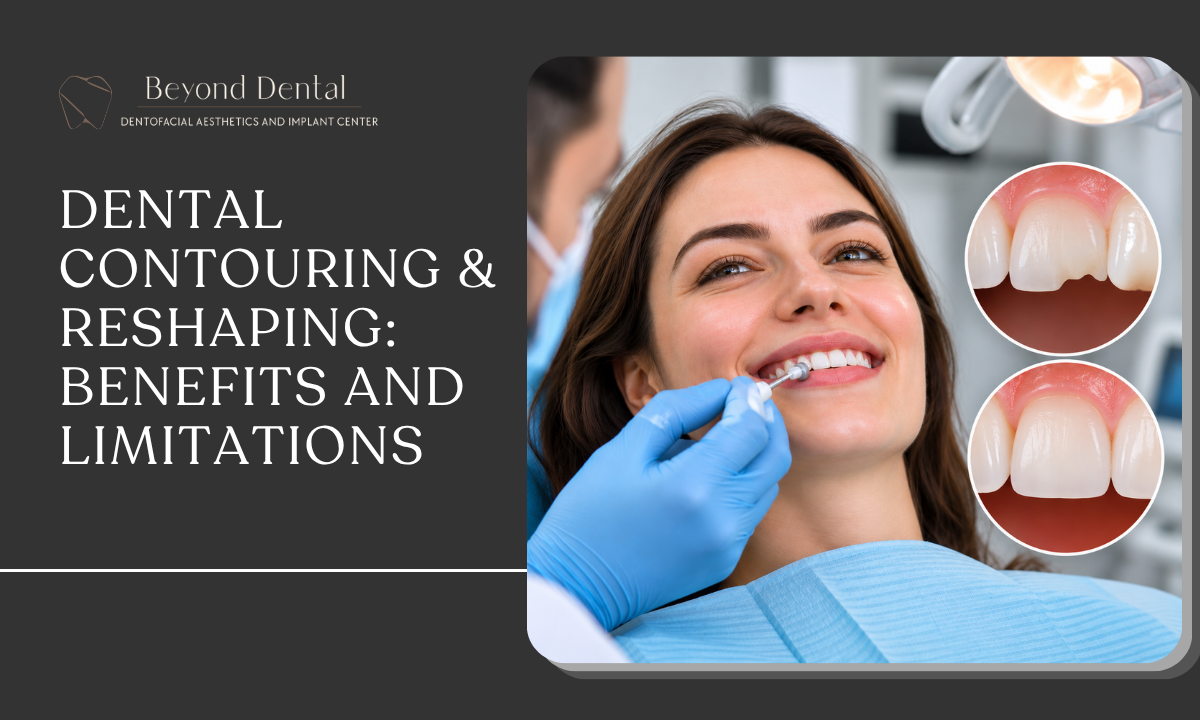
Dental contouring and reshaping is a minimally invasive cosmetic procedure that removes small amounts of enamel to correct minor chips, uneven edges, pointed teeth and irregular shapes. It offers quick, natural-looking results with minimal recovery. However, it is permanent and cannot correct major damage, alignment problems or tooth discolouration.
Introduction
Small imperfections in teeth can affect the overall appearance of a smile. Uneven edges, slightly pointed teeth, minor overlaps and irregular tooth shapes are common concerns. However, these issues do not always require extensive cosmetic dental treatments.
Dental contouring and reshaping, also known as tooth reshaping or odontoplasty, is a conservative cosmetic procedure that improves the appearance of teeth by carefully removing small amounts of enamel. It helps create a more balanced smile while preserving most of the natural tooth structure.
The procedure is suitable for selected cases where the imperfections are minor and sufficient healthy enamel is available. Understanding its benefits, limitations and alternatives can help patients make informed decisions about their dental treatment.
What Is Dental Contouring and Reshaping?
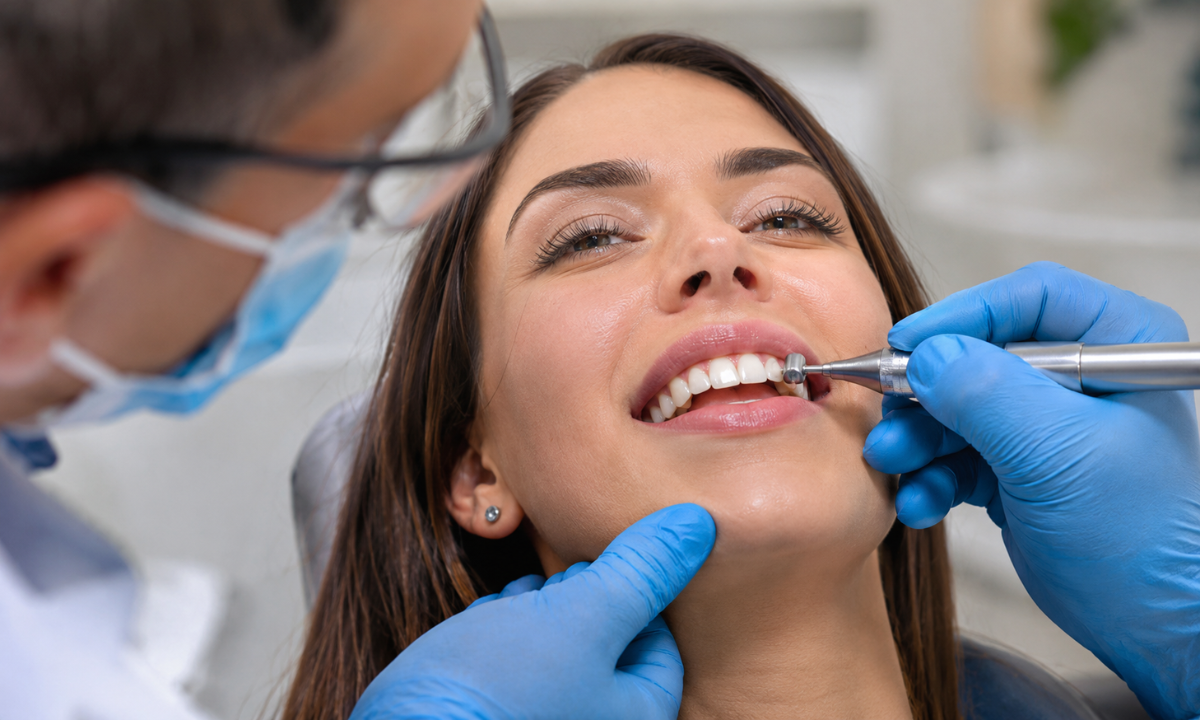
Dental contouring is a cosmetic dental procedure in which a dentist carefully removes small amounts of enamel to change the shape, length or surface of a tooth. It is generally used to correct minor aesthetic concerns without adding artificial materials to the tooth.
During the procedure, the dentist uses specialised dental instruments to smooth rough edges, reduce slightly pointed areas or adjust uneven tooth surfaces. The treated areas are then polished to create a smooth finish.
Dental contouring is commonly recommended for:
- Slightly chipped or uneven tooth edges.
- Pointed or unusually shaped teeth.
- Minor differences in tooth length.
- Small irregularities on the tooth surface.
- Slight overlaps that do not require orthodontic treatment.
- Uneven tooth contours affecting smile symmetry.
It is important to understand that dental contouring involves permanent enamel removal. Therefore, the dentist must evaluate the tooth structure before recommending treatment.
Who Is a Suitable Candidate for Dental Contouring?
Dental contouring is not suitable for everyone. The procedure works best when the required correction is minor and the teeth have sufficient healthy enamel.
You may be a suitable candidate if:
- You have small chips that affect the tooth’s appearance.
- Your front teeth have slightly uneven edges.
- One or more teeth appear mildly longer than neighbouring teeth.
- You have pointed teeth that need minor reshaping.
- Your teeth have sufficient enamel thickness.
- Your teeth and gums are generally healthy.
However, patients with thin enamel, extensive tooth damage, untreated cavities, significant tooth sensitivity or major bite problems may require alternative treatments.
A dental examination helps determine whether enamel reshaping is safe and whether it can achieve the expected results.
What Happens During the Dental Contouring Procedure?
Dental contouring is generally completed in a single appointment. The exact process depends on the number of teeth involved and the amount of reshaping required.
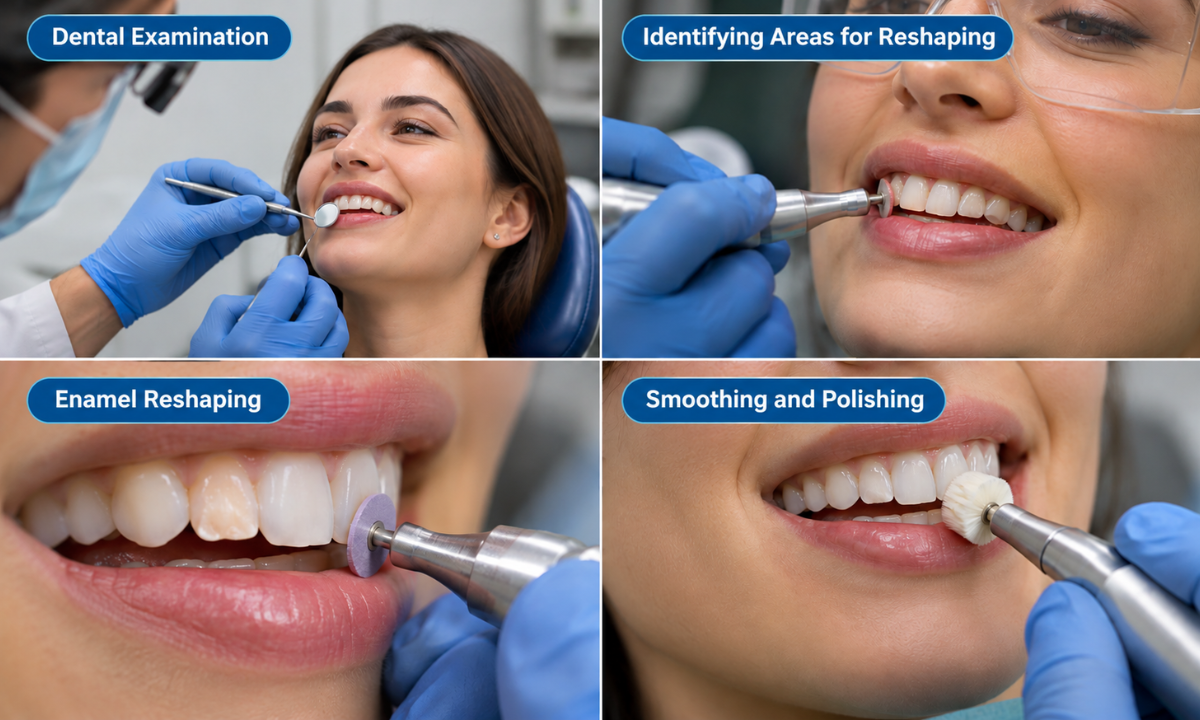
1. Dental Examination
The dentist examines the teeth, enamel thickness, tooth alignment and bite. They also discuss the patient’s aesthetic concerns and identify whether reshaping can achieve the desired improvement.
2. Identifying Areas for Reshaping
The dentist identifies the areas that require correction. The amount of enamel to be removed is carefully planned to maintain the natural strength and structure of the teeth.
3. Enamel Reshaping
Using specialised dental instruments, the dentist gently removes small amounts of enamel from the selected areas. The process may involve smoothing uneven edges, reducing pointed surfaces or correcting minor differences in tooth length.
4. Smoothing and Polishing
After reshaping, the treated teeth are polished to remove rough surfaces and create a smooth, natural-looking finish. The dentist also checks the bite to ensure the adjustments do not interfere with normal chewing.
Most minor cases require little or no anaesthesia. The duration depends on the number of teeth being treated and the complexity of the corrections.
Benefits of Dental Contouring and Reshaping
Dental contouring offers several benefits for patients who need minor cosmetic corrections.
1. Minimally Invasive Treatment
The procedure involves removing only small amounts of enamel. It does not usually require extensive tooth preparation or artificial restorations.
2. Quick Results
Most minor corrections can be completed in one dental appointment. Patients can generally return to their regular activities immediately.
3. Improved Smile Symmetry
Reshaping uneven edges, pointed teeth and minor differences in tooth length can create a more balanced appearance.
4. Natural-Looking Appearance
Since the procedure works with the patient’s natural teeth, the results blend with the surrounding teeth without adding artificial materials.
5. Minimal Recovery Time
Dental contouring generally does not involve significant recovery. Most patients can resume their normal routine after treatment.
6. Can Be Combined with Other Cosmetic Treatments
For patients with multiple aesthetic concerns, contouring may be combined with teeth whitening or dental bonding as part of a broader smile improvement plan.
Limitations and Potential Risks of Dental Contouring
Although dental contouring is a conservative cosmetic treatment, it has certain limitations that patients should understand before proceeding.
Permanent enamel removal: Enamel does not regenerate. Once removed, it cannot grow back. This makes careful treatment planning essential.
Limited correction: The procedure is suitable for minor imperfections. It cannot correct large chips, extensive cracks, major gaps or significant tooth misalignment.
Possible tooth sensitivity: Removing enamel may expose more sensitive underlying tooth structures if the procedure is not carefully planned. Some patients may experience temporary sensitivity to hot and cold temperatures.
Risk of weakening the tooth: Excessive enamel removal can compromise tooth strength and increase the risk of damage. This is why the dentist must assess enamel thickness before treatment.
No improvement in tooth colour: Dental contouring changes tooth shape and surface, not colour. Patients with stained or discoloured teeth may need professional teeth whitening or veneers.
Unsuitable for certain dental conditions: Patients with thin enamel, significant tooth wear, active dental decay or existing structural damage may need other treatments.
The procedure should always be performed by a qualified dentist who can assess the long-term impact of enamel removal on the treated teeth.
Dental Contouring vs. Dental Bonding vs. Veneers
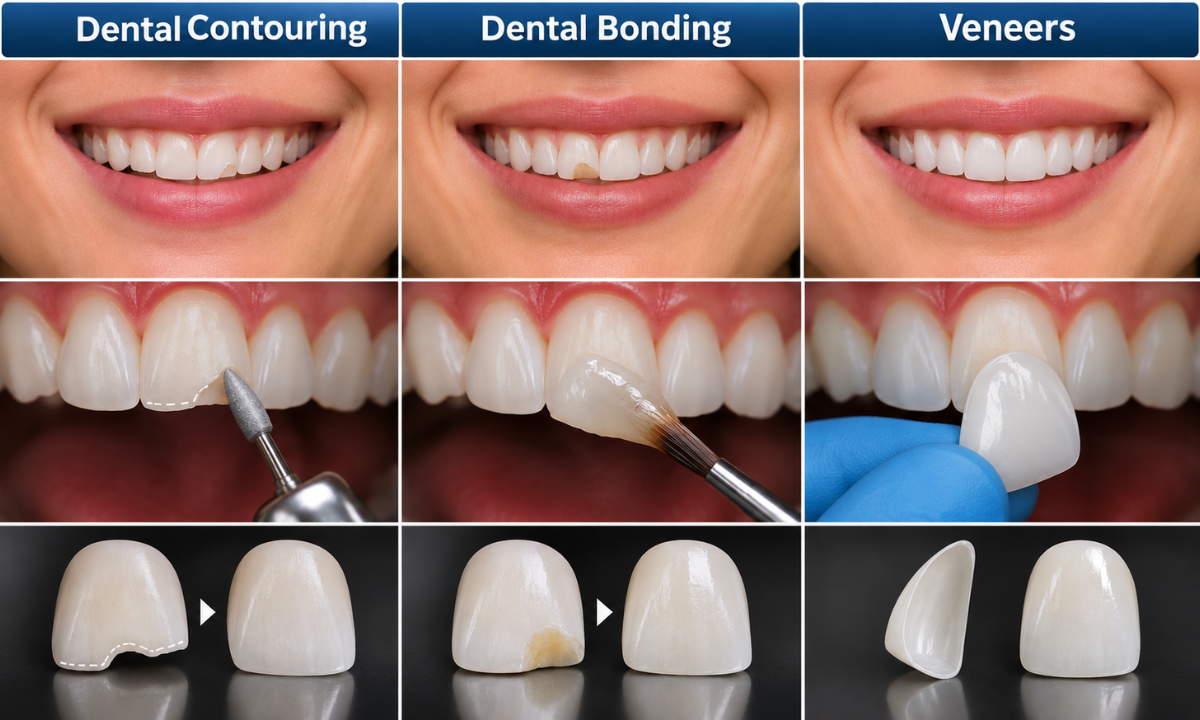
Dental contouring, dental bonding and veneers are cosmetic dental treatments that improve the appearance of teeth. However, they work differently and address different concerns.
| Feature | Dental Contouring | Dental Bonding | Dental Veneers |
|---|---|---|---|
| Procedure | Removes small amounts of enamel | Adds tooth-coloured composite resin | Covers the front surface with a thin shell |
| Best for | Minor uneven edges and pointed teeth | Chips, small gaps and irregular shapes | Discolouration, gaps and noticeable shape issues |
| Tooth preparation | Minimal enamel removal | Usually requires little preparation | May require enamel reduction |
| Results | Subtle and natural | Natural-looking correction | More noticeable cosmetic improvement |
| Reversibility | Permanent | Usually repairable or replaceable | Often irreversible, depending on preparation |
Dental Contouring
Dental contouring is generally preferred when the tooth needs a small adjustment. It works well for minor irregularities that can be corrected by removing a limited amount of enamel.
Dental Bonding
Dental bonding uses a tooth-coloured composite resin to repair or improve the appearance of teeth. It is suitable when additional material is needed to restore a chipped edge, close a small gap or improve tooth shape.
Read more about how dental bonding can fix chipped teeth.
Dental Veneers
Dental veneers are thin shells attached to the front surfaces of teeth. They can improve tooth shape, size and colour and are generally considered when more extensive cosmetic correction is required.
The choice between these procedures depends on enamel thickness, tooth condition, bite alignment and the patient’s aesthetic expectations. In some cases, a combination of treatments may produce better results.
Aftercare Following Dental Contouring
Dental contouring usually requires minimal aftercare. However, maintaining good oral hygiene and protecting the treated teeth are important for long-term dental health.
Follow these recommendations after treatment:
- Maintain oral hygiene: Brush twice daily using a soft-bristled toothbrush and fluoride toothpaste.
- Floss regularly: Clean between your teeth to prevent plaque accumulation and gum problems.
- Avoid hard foods: Avoid biting directly into ice, hard sweets and other very hard foods that may damage teeth.
- Monitor sensitivity: Mild sensitivity may occur temporarily. Contact your dentist if it persists or becomes uncomfortable.
- Attend regular check-ups: Routine dental examinations help monitor the condition of the treated teeth and identify potential problems early.
Follow any additional instructions provided by your dentist based on your treatment.
What Results Can You Expect from Dental Contouring?
Dental contouring produces subtle improvements rather than dramatic changes to your smile. You may notice smoother tooth edges, more balanced tooth lengths and improved symmetry.
The results are permanent because the procedure involves removing natural enamel. However, this does not mean the teeth will remain unchanged throughout life. Natural wear, ageing and other dental conditions can affect their appearance over time.
Patients should have realistic expectations and understand that the procedure is intended for minor cosmetic improvements. If the desired outcome requires significant changes to tooth shape, size or colour, the dentist may recommend bonding, veneers or other cosmetic treatments.
For patients considering multiple cosmetic improvements, smile designing and makeover treatments at Beyond Dental may provide a more comprehensive approach.
When Should You Consider Alternative Cosmetic Dental Treatments?
Dental contouring may not provide the desired results when the underlying concern involves more than minor enamel irregularities.
Your dentist may recommend:
- Dental bonding: For larger chips, small gaps or irregular tooth shapes that require additional material.
- Porcelain veneers: For noticeable discolouration, uneven tooth shapes or more extensive cosmetic improvements.
- Orthodontic treatment: For significant crowding, overlapping teeth, gaps or bite alignment problems.
- Dental crowns: For teeth with extensive structural damage that require additional strength and protection.
- Gum contouring: When an uneven gumline or excess gum tissue affects the appearance of the smile.
The appropriate treatment depends on the condition of your teeth, gums and bite. Patients can also explore cosmetic dentistry treatments at Beyond Dental to understand the available options.
Frequently Asked Questions
1. Is dental contouring a painful procedure?
Dental contouring is generally painless because the procedure involves the outer enamel layer, which has no nerves. Most patients do not require local anaesthesia.
2. How long does dental contouring last?
The results are permanent because the removed enamel does not regenerate. However, natural tooth wear and other dental conditions can affect the appearance of teeth over time.
3. Can dental contouring fix crooked teeth?
Dental contouring can correct very minor overlaps or uneven edges in selected cases. It cannot correct significant tooth misalignment or bite problems, which may require braces or clear aligners.
4. Is dental contouring better than veneers?
Neither treatment is universally better. Dental contouring is suitable for minor corrections, while veneers can address more noticeable changes in tooth shape, size and colour. The dentist recommends an option based on the patient’s dental condition and expectations.
5. Can dental contouring damage teeth?
Excessive enamel removal can weaken teeth and increase the risk of sensitivity, cracks and decay. When performed conservatively on suitable teeth, the procedure can preserve their structural integrity.
Conclusion
Dental contouring and reshaping can be an effective option for correcting minor imperfections and improving smile symmetry without extensive cosmetic treatment. Its minimally invasive nature, quick results and natural appearance make it suitable for patients who need small adjustments to their teeth.
However, the procedure involves permanent enamel removal and cannot address every cosmetic or structural concern. A professional dental examination is essential to determine whether contouring is appropriate or whether bonding, veneers or orthodontic treatment would provide better results.
At Beyond Dental, personalised cosmetic dental treatment planning considers tooth structure, oral health and individual aesthetic goals to help patients make informed decisions about their smiles.