
If you have been searching for which is the best tooth crown, the honest answer is that there is no single “best” option, the right crown depends on which tooth needs it, your budget, and how long you want it to last. At Beyond Dental, a trusted dental crown in Bangalore clinic in Vasanth Nagar, we help patients weigh these factors every week, and this guide breaks it down so you can make an informed choice before your appointment.
In short: zirconia and all-ceramic crowns work best for front teeth because they look natural, zirconia and metal crowns work best for molars because they handle chewing pressure, and PFM crowns are the most budget-friendly middle option. The sections below explain each choice in more detail.
Why “Best” Depends on the Tooth
A crown that works beautifully on a front tooth may not hold up on a molar, and vice versa. Front teeth take on biting and shearing forces but need to look completely natural, since they are visible every time you smile or speak. Molars, by contrast, absorb heavy chewing pressure and are rarely seen, so strength usually outweighs appearance when choosing which crown is best for molar teeth. Understanding this distinction is the single most useful thing a patient can know before walking into a consultation, because it reframes the question from “what is the best crown” to “what is the best crown for this specific tooth, in this specific mouth.”
Dentists also weight in factors like bite alignment, grinding habits, and gum health when recommending a material, which is why the same patient might be advised zirconia for a molar and all-ceramic for a front tooth in the same treatment plan.
Best Crowns for Front Teeth (Aesthetic Priority)
For visible teeth, appearance usually matters more than raw strength, since front teeth show every time you smile, speak, or appear in photographs. Two materials stand out here.
Zirconia Crowns
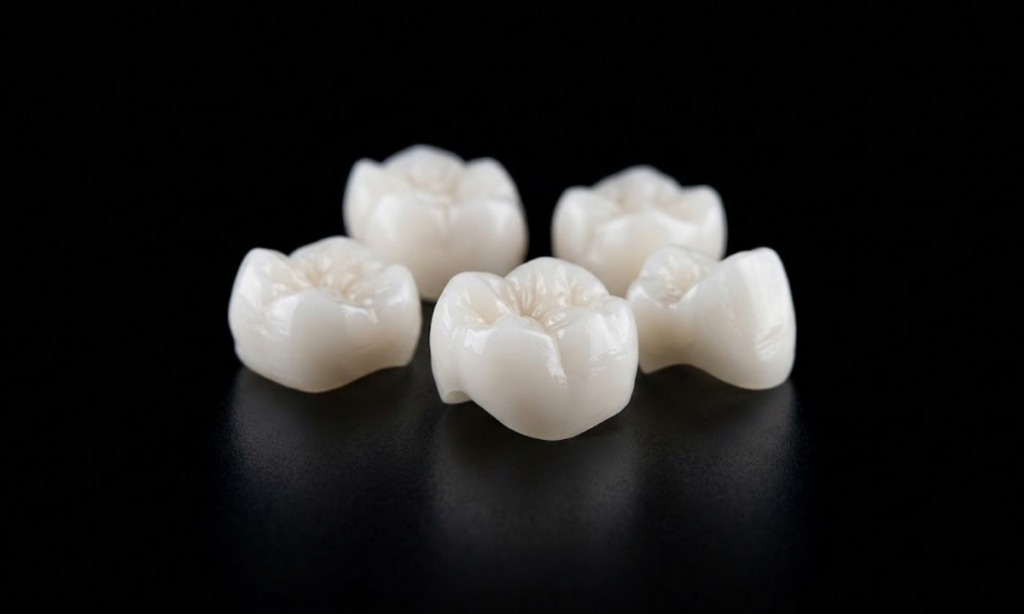
Zirconia has become popular for anterior teeth because it combines a tooth-like finish with reasonable strength, making it a practical middle ground between beauty and durability. It mimics natural enamel translucency closely and does not develop the grey line at the gum margin that porcelain-fused-to-metal crowns can show over time, especially as gums recede slightly with age.
All-Ceramic Crowns
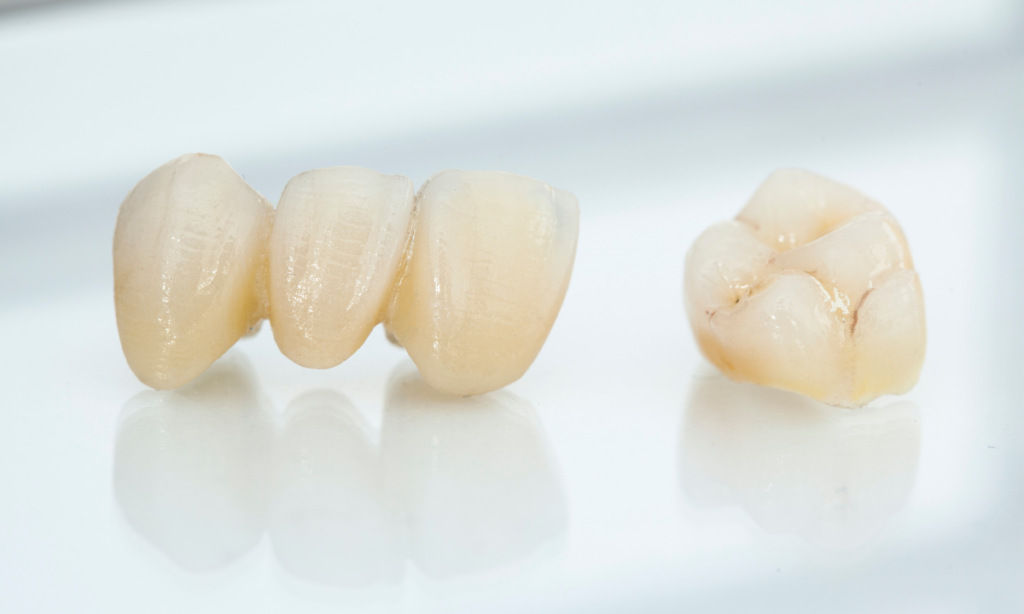
All-ceramic crowns, sometimes called all-porcelain crowns, are prized specifically for how light passes through them in a way that closely resembles natural tooth enamel. They are an excellent choice for patients whose priority is a completely undetectable restoration, particularly on the upper front teeth that show most prominently in everyday conversation. The trade-off is that all-ceramic crowns are somewhat less robust under heavy biting force compared to zirconia, so they are generally reserved for teeth that do not bear significant chewing load.
A third option worth mentioning is lithium disilicate, often known by the brand name e.max, which sits between zirconia and all-ceramic on the strength-versus-translucency scale. It is a popular choice for patients who want the natural look of all-ceramic with a slightly sturdier build, though it still tends to be reserved for front teeth rather than molars.
Between these options, zirconia generally edges out all-ceramic and e.max on sheer durability, while all-ceramic and e.max concede a little strength in exchange for a more lifelike, undetectable finish, so the final choice usually comes down to how much translucency a patient is willing to trade for extra resilience.
Best Crowns for Molars (Strength Priority)
Molars need to withstand repeated heavy pressure from chewing, grinding, and everyday wear, so durability usually takes priority over appearance here since these teeth are rarely visible when you smile.
Zirconia Crowns
Zirconia crowns are engineered for exactly this kind of durability while still looking reasonably natural in a way that older materials could not manage. Zirconia has largely become the default recommendation for molars in cases where a patient wants both strength and a tooth-coloured finish.
Metal Crowns
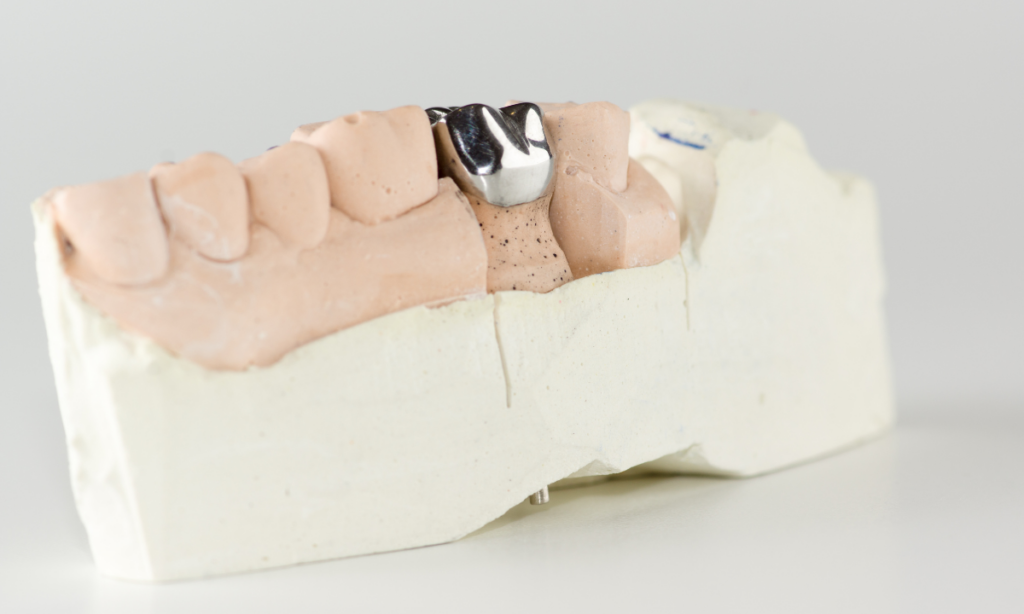
Metal crowns, though less commonly chosen today for aesthetic reasons, remain one of the most hard-wearing options for back teeth that are not visible when you smile. Gold and other metal alloys resist chipping and fracturing far better than any ceramic material, and they are exceptionally gentle on the opposing teeth during chewing, causing less wear on the teeth they bite against over the years. For patients who grind their teeth at night or have a particularly strong bite, metal crowns on molars are still worth discussing with your dentist.
Which Is Best Tooth Cap for Budget-Conscious Patients
If cost is the deciding factor, porcelain-fused-to-metal (PFM) crowns tend to sit in the middle ground, offering a reasonable balance of durability and appearance at a lower price point than full ceramic or zirconia options. For patients specifically asking which is best tooth cap on a limited budget, PFM is often the practical answer, particularly for back teeth where the metal substructure is not visible. A PFM crown has a metal core for strength with a porcelain layer bonded over it for a tooth-like appearance, which is why it has remained a popular choice for decades despite newer materials entering the market.
We go into exact pricing for each material tier in our dental crown cost guide, since how much is one crown tooth varies significantly depending on whether you choose metal, PFM, all-ceramic, or zirconia, and the price difference between the cheapest and most premium option can be considerable.
How Much Does a Crown Actually Cost
Crown pricing depends heavily on material choice, with zirconia and all-ceramic options generally costing more than metal or PFM crowns due to the manufacturing process and material expense involved. Lab-fabricated crowns also tend to cost more than same-day options, since they typically use higher-grade materials and a more detailed fabrication process. Rather than repeat exact figures here, our full cost breakdown covers each material tier in detail, so you can budget accurately before your consultation.
A Quick Comparison
| Crown Type | Best For | Durability | Appearance | Relative Cost |
|---|---|---|---|---|
| Zirconia | Molars and front teeth | Very high | Very natural | High |
| All-ceramic | Front teeth | Moderate to high | Excellent | High |
| PFM | Molars, budget cases | High | Moderate (metal line possible) | Medium |
| Metal | Molars (not visible) | Very high | Poor (metallic) | Low to medium |
If you are still deciding between crown materials in more detail beyond this quick summary, our complete guide to crown types covers all seven options with their individual pros and cons, including newer materials we have not covered in depth here.
What Dentists Recommends
According to Dr. Chinmaya Bhandary, Clinical Director at Beyond Dental and MDS in Prosthodontics, the “best” crown is always the one matched to the tooth’s function and the patient’s individual bite pattern, not a single universally superior material. He notes that patients often arrive having read about one material online and assume it must be right for every tooth in their mouth, when in practice a mixed approach across different teeth is common and entirely normal.
A thorough clinical examination at our dentist in Vasanth Nagar, Bangalore practice is the only reliable way to determine which crown will genuinely last for your specific case, since factors like bite force, grinding habits, gum health, and the position of the tooth all influence the recommendation. X-rays and a physical assessment of the remaining tooth structure also play a role in deciding which material will bond and perform best.
How Long Do Crowns Typically Last
Most crowns last between 10 and 15 years with reasonable care, though the exact lifespan depends heavily on the material chosen and how well a patient maintains their oral hygiene afterwards. Regular brushing, flossing around the crown margin, and avoiding excessive force on the tooth all play a role in how long a crown holds up.
- Zirconia crowns: 15+ years on average, thanks to exceptional strength and resistance to chipping
- Metal crowns: 15-20 years, among the longest-lasting options available, particularly for molars
- PFM crowns: 10-15 years, with the metal core generally outlasting the porcelain layer bonded over it
- All-ceramic crowns: 7-15 years, often on the shorter end if placed on teeth that bear significant biting force
Diet also matters here, biting down on very hard foods like ice or hard candy can shorten a crown’s lifespan regardless of material. Regular check-ups also allow your dentist to catch early signs of wear before they progress, a point echoed by MedlinePlus, the U.S. National Library of Medicine’s patient health resource.
What You Should Avoid With a Dental Crown
A few common habits can shorten a crown’s lifespan or lead to complications, regardless of which material was chosen.
- Avoid biting very hard foods directly on a crowned tooth, such as ice, hard candy, or unshelled nuts, as this can chip or crack even durable materials like zirconia
- Don’t skip flossing around the crown margin, since plaque buildup at the edge can lead to decay in the natural tooth underneath, even though the crown itself cannot decay
- Avoid using teeth as tools for opening packets or bottle caps, a habit that puts uneven pressure on the crown and surrounding teeth
- Don’t ignore grinding or clenching at night without a mouthguard, as this is one of the most common reasons crowns loosen or fracture prematurely
- Avoid delaying a dental visit if a crown feels loose, sharp, or uneven, since a minor issue caught early is far easier to fix than one left untreated
Following these basic precautions goes a long way towards getting the full 10 to 15 year lifespan, or longer, out of any crown material.
Conclusion
There is no one-size-fits-all answer to which tooth crown is best, front teeth generally benefit from ceramic or zirconia for their natural appearance, while molars often do better with zirconia or metal for sheer durability, and PFM remains a sensible middle ground for patients balancing cost and strength. Budget, tooth location, bite strength, and long-term goals all factor into the final recommendation, and no single material outperforms the others in every category at once. The only way to know for certain which option suits your bite, budget, and long-term goals is a proper consultation with a qualified dentist who can examine your specific case.
Frequently Asked Questions
Which is the best tooth crown overall?
There is no single best crown for every case, zirconia is often recommended for its balance of strength and appearance, but the right choice depends on which tooth is being treated and the patient’s individual needs.
How much is one crown tooth in Bangalore?
Costs vary by material, with metal and PFM crowns generally cheaper than all-ceramic or zirconia. See our detailed cost guide for exact price ranges across each material type.
Which crown is best for molar teeth specifically?
Zirconia and metal crowns are typically preferred for molars because they withstand heavy chewing forces better than more delicate ceramic options, which are usually reserved for front teeth.
Do crowns need to be replaced eventually?
Yes, most crowns last 10 to 15 years depending on material and oral hygiene, though zirconia and metal crowns often last longer under heavy daily use.
Is it painful to get a dental crown fitted?
The procedure is done under local anaesthesia, so discomfort during placement is minimal, with only mild sensitivity expected for a day or two afterwards as the gum and tooth settle.
Can a crown be replaced with a different material later?
Yes, an old crown can generally be removed and replaced with a different material if a patient’s needs or preferences change, though this depends on the condition of the underlying tooth.