
Most people think dental health is all about brushing and flossing. And yes, those matter a lot. But what you eat every single day plays just as big a role in keeping your teeth and gums healthy.
The right foods can strengthen your enamel, fight bacteria, and keep your gums firm. The wrong ones slowly break down your teeth without you even realising it.
At Beyond Dental, we always tell our patients: your diet is your first line of defence against dental problems. This guide will show you exactly what to eat, what to avoid, and why it matters.
Key Takeaways
- Certain foods actively strengthen enamel and fight bacteria in your mouth
- Sugary and acidic foods are the biggest enemies of healthy teeth
- Hydration plays a bigger role in oral health than most people realise
- Small diet changes can significantly reduce your risk of cavities and gum disease
- What you eat after meals matters just as much as what you eat during them
Why Does Food Affect Your Teeth?
Every time you eat, bacteria in your mouth feed on food particles, especially sugar. When bacteria break down sugar, they produce acid. That acid attacks your tooth enamel, the hard outer layer that protects your teeth.
Over time, repeated acid attacks cause:
- Enamel erosion
- Cavities and tooth decay
- Gum inflammation
- Tooth sensitivity
The good news is that some foods actually fight this process. They neutralise acid, rebuild enamel, and keep harmful bacteria in check.
If you are already experiencing sensitivity or gum issues, visiting a dental clinic in Vasanth Nagar early can prevent the problem from getting worse.
Best Foods for Healthy Teeth and Gums
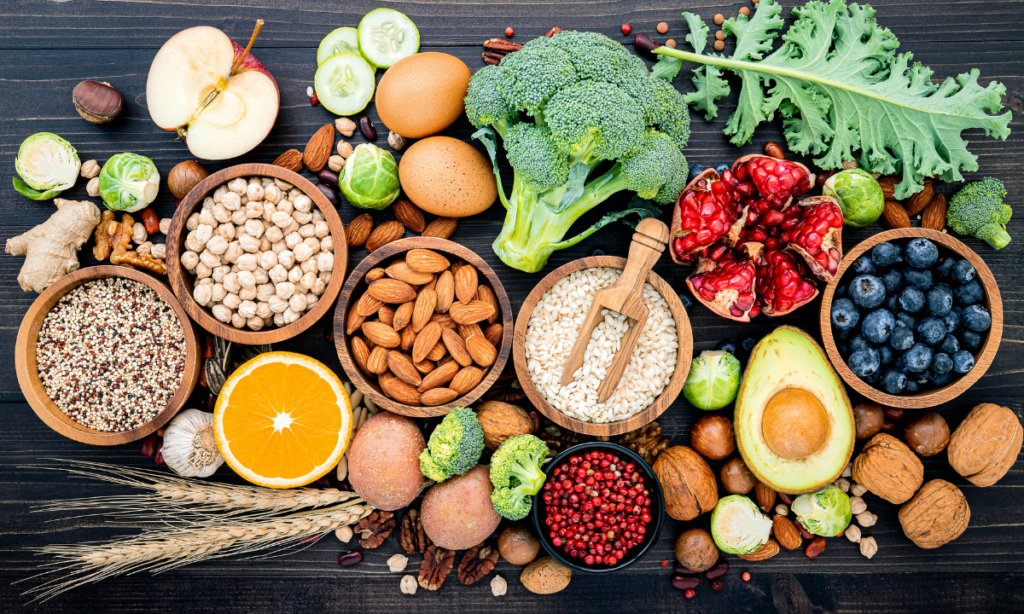
1. Dairy Products: Cheese, Milk and Yogurt
Dairy is one of the best food groups for your teeth. Here is why:
- Cheese raises the pH level in your mouth, reducing acid and lowering cavity risk
- Milk is rich in calcium and phosphates that strengthen enamel
- Yogurt contains probiotics that fight harmful bacteria in the mouth
Best choices: Cheddar cheese, plain yogurt, full-fat milk
2. Leafy Greens
Leafy greens are packed with vitamins and minerals that directly benefit your teeth and gums.
- High in calcium, which builds strong enamel
- Rich in folic acid, which promotes healthy gum tissue
- Low in sugar, so they do not feed harmful bacteria
Best choices: Spinach, kale, lettuce, methi (fenugreek leaves)
3. Crunchy Fruits and Vegetables
Crunchy produce works like a natural toothbrush. The act of chewing them scrubs plaque off your teeth and stimulates saliva production.
- Apples are high in fibre and water, which cleans the gum line
- Carrots stimulate saliva and are rich in Vitamin A for enamel health
- Celery helps scrape food particles and bacteria off teeth
Best choices: Apples, carrots, celery, cucumbers, pears
4. Nuts and Seeds
Nuts are a great snack for your teeth. They are low in sugar, high in protein, and packed with minerals.
- Almonds are rich in calcium and protein with very low sugar content
- Walnuts contain fibre, folic acid, and magnesium that support gum health
- Sesame seeds help scrub plaque off teeth while being rich in calcium
Best choices: Almonds, walnuts, cashews, sesame seeds
5. Fatty Fish
Fatty fish like salmon and mackerel are rich in Vitamin D, which helps your body absorb calcium properly. Without Vitamin D, even a calcium-rich diet may not fully benefit your teeth.
- Supports strong enamel and jaw bone density
- Reduces inflammation in the gums
- Great source of phosphorus, which protects enamel
Best choices: Salmon, mackerel, sardines, tuna
6. Eggs
Eggs are one of the most complete foods for dental health. They contain:
- Vitamin D for calcium absorption
- Phosphorus for enamel strength
- Protein for tissue repair in the gums
A simple boiled egg in the morning is doing more for your teeth than you might think.
7. Green Tea
Green tea contains polyphenols, natural compounds that suppress the growth of bacteria responsible for cavities and gum disease.
- Reduces bacteria and acid levels in the mouth
- Contains fluoride naturally, which strengthens enamel
- Has anti-inflammatory properties that protect gum tissue
Tip: Drink it without sugar to get the full benefit.
8. Water
Water is the single most underrated drink for oral health.
- Washes away food particles and bacteria after meals
- Keeps saliva levels healthy (saliva is your mouth’s natural defence)
- Fluoridated water actively strengthens enamel
- Prevents dry mouth, which increases cavity risk significantly
Make it a habit: Drink a glass of water after every meal, especially if you cannot brush.
[Image suggestion: Flat lay photo of best foods for teeth including cheese, apples, carrots, almonds, salmon, and a glass of water. Alt text: “best foods for healthy teeth and gums”]
Foods and Drinks to Avoid (or Limit)
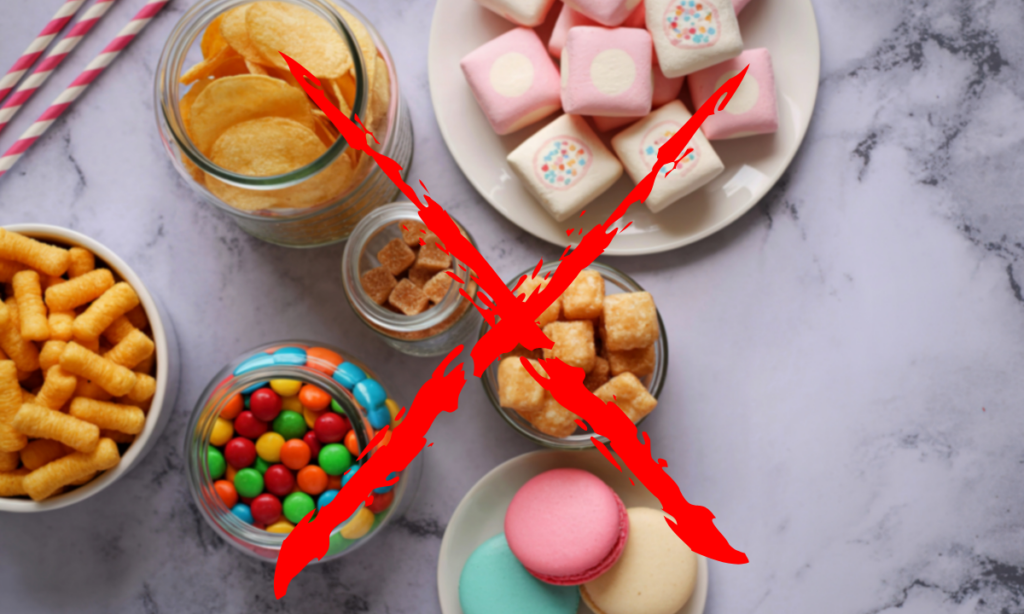
Just as important as knowing what to eat is knowing what to cut back on.
| Food / Drink | Why It Is Bad for Teeth | How to Reduce the Damage |
|---|---|---|
| Sugary sweets and candy | Feeds bacteria, causes acid attacks and cavities | Rinse mouth with water after eating |
| Fizzy drinks and sodas | Highly acidic, erodes enamel fast | Switch to water or coconut water |
| Fruit juices | High in natural sugar, still causes enamel erosion | Eat whole fruit instead |
| Chips and crackers | Starchy, gets stuck between teeth and feeds bacteria | Brush or rinse after snacking |
| Coffee and tea (with sugar) | Stains teeth and dries out the mouth | Drink without sugar, rinse after |
| Alcohol | Dries out the mouth, reduces saliva production | Stay hydrated and limit intake |
| Citrus fruits (excess) | Highly acidic, erodes enamel over time | Eat in moderation, rinse after |
| Ice chewing | Cracks and chips enamel | Stop the habit completely |
The Worst Offenders: Foods That Destroy Teeth Slowly
Some foods are especially damaging because they are sticky, highly acidic, or full of hidden sugar:
- Toffees and hard candies stick to teeth and keep feeding bacteria for hours
- Energy drinks combine high sugar with high acid, double the damage
- Dried fruits like raisins are extremely sticky and sugar-dense
- White bread breaks down into sugar quickly and sticks between teeth
- Flavoured yogurt often contains as much sugar as a dessert
If you regularly eat any of these and are noticing sensitivity or bleeding gums, it is worth reading our guide on gum disease stages, causes and treatment to understand what might be happening.
Simple Daily Food Habits for Better Oral Health
You do not need to overhaul your entire diet. These small habits make a real difference:
- End meals with cheese or water to neutralise acid in your mouth
- Chew sugar-free gum after meals when you cannot brush, it boosts saliva production
- Snack on nuts or raw vegetables instead of chips or biscuits
- Wait 30 minutes after eating acidic foods before brushing, brushing immediately spreads acid
- Drink through a straw when having juices or fizzy drinks to reduce contact with teeth
- Eat sweets with meals rather than as standalone snacks, less acid exposure overall
- Stay consistent with water throughout the day, not just when thirsty
What a Teeth-Friendly Day of Eating Looks Like
Here is a simple example of how to structure your meals for better dental health:
Morning:
- Boiled eggs or an omelette
- A glass of milk or plain yogurt
- A piece of fruit like an apple or pear
Midday:
- A meal with leafy greens, dal, and rice or roti
- Water to drink throughout the meal
- End with a small piece of cheese if possible
Evening Snack:
- A handful of almonds or walnuts
- Carrot or cucumber sticks
Dinner:
- Grilled fish or paneer
- Cooked vegetables
- A glass of water before bed
What to avoid: Sugary desserts late at night, biscuits right before bed, or any sweet drink after brushing.
Your Diet Is a Daily Investment in Your Smile
Healthy teeth do not happen by accident. Every meal is either working for your teeth or against them. The foods covered in this guide dairy, leafy greens, crunchy vegetables, nuts, fatty fish, and water are not complicated or expensive. They are everyday choices that add up over time.
Cutting back on sugar, staying hydrated, and ending meals wisely can make a measurable difference in your enamel strength, gum health, and cavity risk.
Your diet will not replace brushing and flossing, but it makes everything else work better. If you want to know where your teeth stand right now, our team at Beyond Dental is happy to take a look. Sometimes a quick check-up is all it takes to catch small problems before they become big ones.
FAQs: Foods and Dental Health
Which fruit is best for teeth?
Apples are one of the best fruits for teeth. They are high in fibre and water, stimulate saliva production, and help scrub the gum line naturally. Eating an apple is not a replacement for brushing but it does help clean your mouth between meals.
Is milk good for teeth every day?
Yes. Milk is rich in calcium and phosphates that actively strengthen tooth enamel. Drinking a glass of plain milk daily is one of the simplest things you can do for long-term dental health.
Does eating sugar always cause cavities?
Not immediately, but consistently eating sugary foods without proper brushing and rinsing does cause cavities over time. It is the frequency of sugar exposure that matters most, not just the amount in one sitting.
Are fruits bad for teeth because of sugar?
Whole fruits are generally fine for teeth. They contain natural sugar but also fibre and water that reduce the impact. The issue is with fruit juices, which strip away the fibre and concentrate the sugar. Eat whole fruits and rinse with water after.
What is the best drink for teeth other than water?
Plain milk and unsweetened green tea are the best drinks for teeth after water. Both actively support enamel strength and reduce harmful bacteria in the mouth.
Can diet alone prevent cavities?
Diet is a major factor but not the only one. Good brushing, flossing, and regular dental check-ups are equally important. A teeth-friendly diet combined with good oral hygiene is the most effective approach.
Your Diet Is a Daily Investment in Your Dental Health
What you eat shows up in your teeth over time. The good choices protect and strengthen. The bad ones slowly wear things down.
You do not need a perfect diet. You just need to be a little more intentional about what goes into your mouth and how you take care of your teeth afterwards.
If you want a professional check-up to see how your teeth and gums are doing, book an appointment with our team at Beyond Dental. We are here to help you keep your smile healthy for the long term.