
“Smile designing” is one of those terms that gets used a lot – but rarely explained well. Most people assume it is only for celebrities or people who want a Hollywood smile. In reality, smile designing is a structured clinical process, and it is far more accessible and relevant than most people realise.
This guide covers what smile designing actually involves, the treatments it includes, who it is suitable for, and what to realistically expect from the process. If you have ever wondered whether visiting a dental clinic in Vasanth Nagar, Bangalore for a smile makeover is worth it – this is where to start.
What Is Smile Designing?
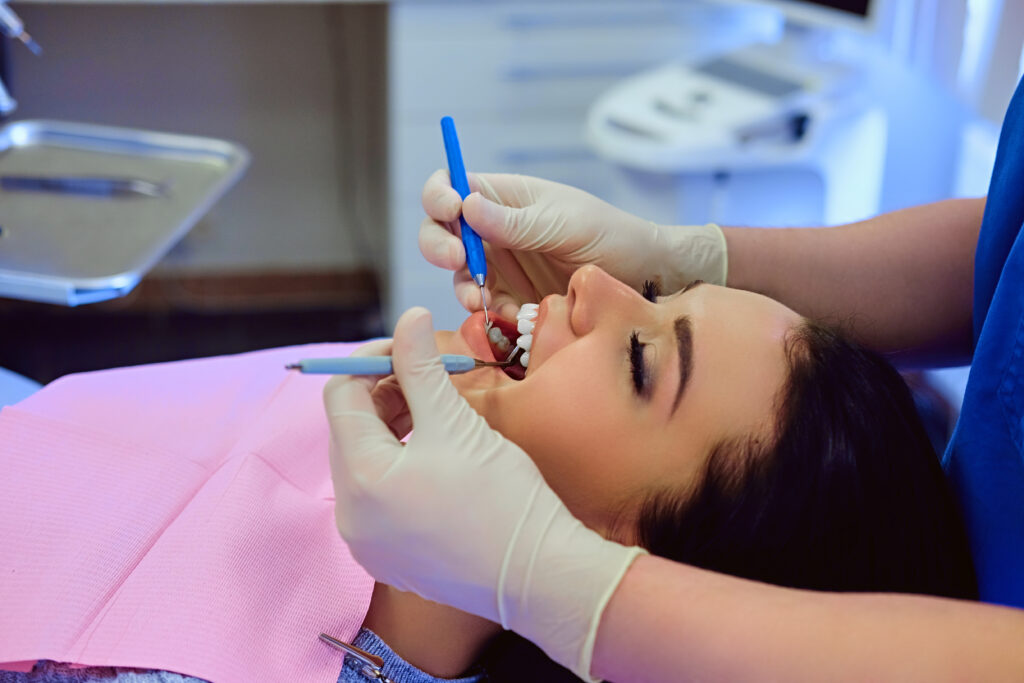
Smile designing also called a smile makeover – is a planned combination of cosmetic and restorative dental treatments aimed at improving the overall appearance of a smile. It is not a single procedure. It is a treatment plan built around a person’s specific teeth, face shape, gum line, skin tone, and aesthetic goals.
A well-designed smile considers:
- Tooth shape and size – proportional to the face and lips
- Tooth colour – natural-looking brightness, not artificially white
- Symmetry – balanced left to right
- Gum line – even exposure when smiling
- Lip support – how teeth interact with lip position
- Bite and function – aesthetics must not compromise how teeth work
The goal is a smile that looks natural and suits the individual – not a one-size-fits-all result.
Why Smile Designing Is Growing
By 2024, cosmetic dentistry services alone accounted for $4.25 billion in value globally, and spending is actively shifting from maintenance-focused dentistry towards appearance-focused treatments.
Digital Smile Design software is now used by 42% of cosmetic dentists, up from 34% in 2019 – meaning more patients can now see a preview of their results before treatment even begins.
Patient satisfaction with cosmetic dental treatments sits at approximately 82% – one of the highest satisfaction rates across any elective procedure category.
Research published in a 2024 systematic review found that Digital Smile Design is useful in improving communication, reducing working time, minimising errors, and enhancing patient satisfaction – while providing clinical adequacy for final prosthetic outcomes.
What Treatments Are Included in a Smile Makeover?
A smile design plan is customised. Not every patient needs every procedure. The treating dentist assesses which combination addresses the specific concerns.
| Treatment | What It Does | Best For |
|---|---|---|
| Teeth whitening | Removes stains, brightens tooth colour | Discolouration, yellowing |
| Dental veneers | Thin porcelain shells bonded to front teeth | Chips, gaps, shape issues, stains |
| Dental bonding | Tooth-coloured resin applied and shaped | Minor chips, gaps, surface irregularities |
| Gum contouring | Reshapes the gum line | Uneven gums, “gummy smile” |
| Orthodontics / aligners | Corrects alignment and spacing | Crowding, gaps, misalignment |
| Dental crowns | Caps that restore shape and strength | Broken or severely worn teeth |
| Dental implants | Replace missing teeth permanently | Gaps from missing teeth |
| Full mouth rehabilitation | Complete restoration of all teeth | Severe wear, multiple missing teeth |
In many cases, a smile makeover combines 2–3 of these treatments in a planned sequence.
What Is Digital Smile Design (DSD)?
Digital Smile Design is a technology-assisted planning approach where software analyses photographs and videos of the patient’s face and smile to create a digital preview of the proposed outcome.
DSD utilizes software to analyze facial features and create a customized digital model of the patient’s smile – allowing both the dentist and the patient to visualize and plan the desired outcome before any treatment begins.
How the DSD process works:
| Step | What Happens |
|---|---|
| 1. Clinical photographs and video | Full face, smile, and teeth are captured |
| 2. Digital analysis | Proportions, symmetry, and gum line are mapped |
| 3. Digital preview | A simulation of the proposed smile is created |
| 4. Patient review | The patient sees the expected result and gives feedback |
| 5. Treatment planning | Final plan is confirmed based on both clinical and aesthetic goals |
| 6. Treatment execution | Procedures are carried out in the planned sequence |
This process significantly reduces guesswork and ensures the final result aligns with the patient’s expectations before any irreversible treatment begins.
At Beyond Dental’s cosmetic dentistry clinic in Bangalore, smile design planning incorporates digital assessment alongside clinical evaluation of bite, gum health, and bone structure.
Who Is Smile Designing Actually For?
This is the question most people don’t ask clearly enough. Smile designing is not reserved for people with severe dental problems – nor is it only for those seeking cosmetic enhancement.
It is suitable for people who:
- Are unhappy with the colour, shape, or size of their teeth
- Have gaps, chips, or minor crowding they want addressed
- Have uneven or excessive gum exposure when smiling
- Have worn down teeth from grinding or acid erosion
- Are missing one or more teeth and want a complete solution
- Want to improve confidence in social or professional situations
- Are planning a major life event – wedding, new job, public-facing role
It is also relevant for people with:
- Multiple existing dental issues that need coordinating into one plan
- Old restorations (fillings, crowns) that no longer match or look dated
- Post-orthodontic concerns – teeth are straight but the smile still looks off
A note on age: Smile designing is suitable for adults of all ages. There is no upper age limit. The clinical assessment determines suitability, not age.
Smile Designing vs. Individual Cosmetic Treatments – What Is the Difference?
| Individual Treatment | Smile Design | |
|---|---|---|
| Scope | Addresses one specific issue | Addresses the smile as a whole |
| Planning | Minimal – treatment is straightforward | Detailed – multiple factors analysed |
| Outcome | Targeted improvement | Comprehensive, cohesive transformation |
| Number of procedures | Usually one | Often two or more, in sequence |
| Time | Shorter | Spread over multiple appointments |
| Best for | Minor, isolated concerns | Multiple concerns or full makeover goals |
Neither is better than the other – the right approach depends entirely on what the individual’s concerns are.
What Does a Smile Design Consultation Involve?
Before any treatment begins, a thorough consultation is essential. At a specialist cosmetic dentistry clinic in Bangalore, this typically includes:
- A full clinical examination of teeth, gums, and bite
- Digital photographs of the face and smile
- X-rays or 3D scans if required
- Discussion of aesthetic goals and concerns
- Digital smile preview (where DSD is used)
- A written treatment plan with sequence, timeline, and costs
- Review of options – including less invasive alternatives where applicable
A consultation is an information-gathering process, not a commitment to treatment. It is the right starting point for anyone curious about whether smile designing is appropriate for them.
Realistic Expectations – What Smile Designing Can and Cannot Do
What it can do:
- Significantly improve the colour, shape, alignment, and overall appearance of the smile
- Restore function alongside aesthetics in cases of worn or missing teeth
- Produce results that look natural when planned well
- Improve confidence and how a person presents in social and professional settings
What it cannot do:
- Replicate someone else’s smile – results are based on individual anatomy
- Substitute for underlying dental health – gum disease and decay must be treated first
- Deliver permanent results without maintenance – crowns, veneers, and whitening require upkeep
Modern smile design emphasises enhancing individuality rather than creating uniformity – the goal is a smile that reflects the person’s natural features rather than an artificially perfect result.
How Long Does a Smile Makeover Take?
This varies significantly based on the treatments involved.
| Treatment Combination | Approximate Timeline |
|---|---|
| Whitening only | 1–2 appointments |
| Whitening + bonding | 2–3 appointments over 2–4 weeks |
| Veneers (6–8 teeth) | 3–4 appointments over 3–5 weeks |
| Veneers + crowns + whitening | 4–6 appointments over 6–10 weeks |
| Full mouth rehabilitation | 3–6 months depending on complexity |
Complex cases involving orthodontics or implants take longer – but these are planned from the start so patients know the timeline before committing.
Summary
| Question | Answer |
|---|---|
| Is smile designing only cosmetic? | No – it often includes functional restoration too |
| Is it only for severe cases? | No – even minor concerns can be addressed |
| Is it painful? | Most procedures are minimally invasive; discomfort is manageable |
| How long do results last? | 5–15 years depending on treatments and maintenance |
| Where to start? | A clinical consultation and digital smile assessment |
Book a Consultation
Beyond Dental | Vasanth Nagar, Bangalore – www.beyondental.in-contact-us/
Dr. Chinmaya Bhandary specialises in Smile Design, Prosthodontics, and Aesthetic Dentistry. Consultations include a full clinical assessment and digital smile preview.
Frequently Asked Questions
Q1. Is smile designing painful?
Most smile design treatments are minimally invasive and performed under local anaesthesia where needed. Procedures like whitening, bonding, and veneers involve little to no discomfort. More complex work such as implants or crowns may involve a short recovery period.
Q2. How much does smile designing cost in Bangalore?
Cost varies significantly based on the treatments involved. A whitening and bonding plan costs far less than a full veneer set or rehabilitation. The best way to get an accurate figure is through a consultation, where a detailed treatment plan with costs is provided.
Q3. Are veneers permanent?
Veneers are long-lasting but not permanent. Porcelain veneers typically last 10–15 years with proper care. Since a thin layer of enamel is removed during preparation, the teeth will always need some form of veneer coverage going forward.
Q4. Can smile designing fix crooked teeth without braces?
In mild cases, veneers or dental bonding can improve the appearance of slightly crooked or uneven teeth without orthodontic treatment. For moderate to severe misalignment, clear aligners or braces remain the more appropriate solution. A clinical assessment determines which approach is suitable.
Q5. What is the difference between veneers and dental bonding?
Veneers are custom-made porcelain shells that are permanently bonded to the tooth surface – they are more durable and stain-resistant. Bonding uses a tooth-coloured resin applied directly to the tooth – it is less expensive and reversible but less durable. A dentist can advise which suits the specific case.
Q6. Where can I get smile designing done in Bangalore?
Beyond Dental in Vasanth Nagar, Bangalore offers smile design consultations led by Dr. Chinmaya Bhandary, who specialises in cosmetic and aesthetic dentistry, digital smile design, and full mouth rehabilitation.