
Most people brush twice a day, use a decent toothpaste, and still end up with cavities, sensitivity, or enamel erosion. The missing piece is almost always diet. And even people who visit the dentist regularly are surprised when they hear this.
Some of the most damaging foods for teeth are the ones nobody suspects. This blog breaks down the 7 biggest culprits, what they actually do to your teeth, and simple habits to reduce the damage.
Quick Overview
| Food | Main Damage | Risk Level |
| Sugary Drinks | Enamel erosion, cavities | High |
| Citrus Fruits | Acid erosion, sensitivity | High |
| Sticky & Dried Foods | Prolonged sugar exposure | Medium-High |
| Starchy Foods | Converts to sugar, plaque | Medium-High |
| Ice | Micro-fractures, cracks | Medium |
| Coffee & Tea | Staining, dry mouth | Medium |
| Alcohol | Dry mouth, gum disease risk | Medium-High |
1. Sugary Drinks
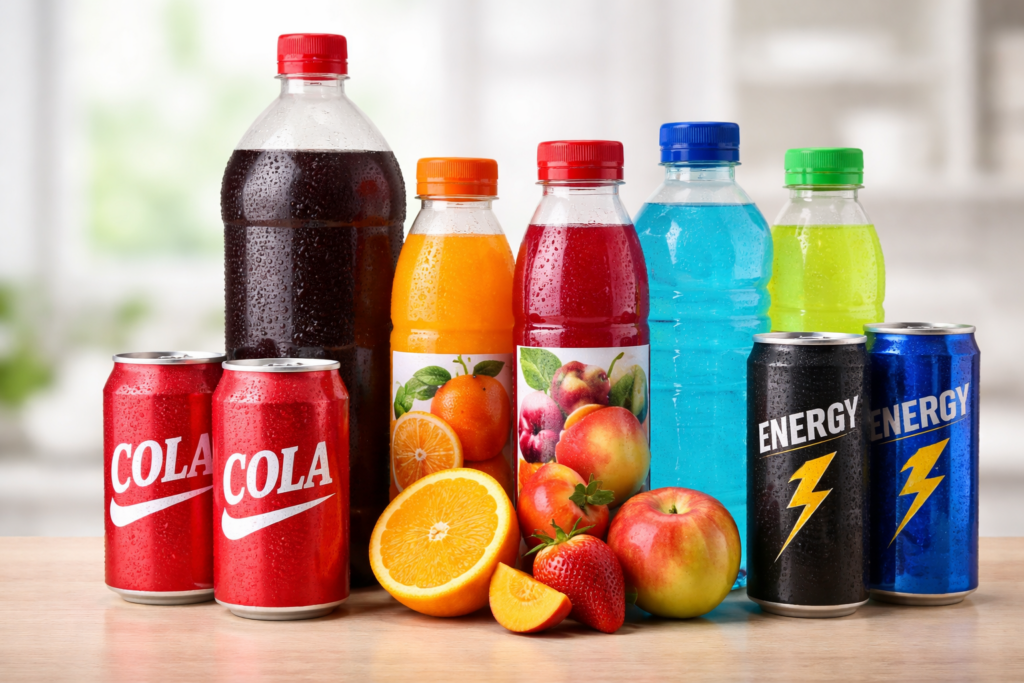
What it includes: Cola, packaged fruit juices, sports drinks, energy drinks
When sugar enters the mouth, bacteria feed on it and release acids. These acids attack the enamel the hard outer layer of the tooth. With frequent sipping throughout the day, the enamel does not get time to recover between attacks.
The problem with sugary drinks specifically is that they coat every tooth surface, not just where food touches.
What happens over time:
- Enamel starts to thin and weaken
- Teeth become more sensitive to hot and cold
- Risk of cavities increases significantly
- In severe cases, enamel erosion becomes visible as yellowing or translucency near the edges of teeth
Practical tip: Use a straw to reduce contact with teeth. Rinse with plain water immediately after. Avoid brushing for at least 30 minutes since enamel is temporarily softened.
2. Citrus Fruits
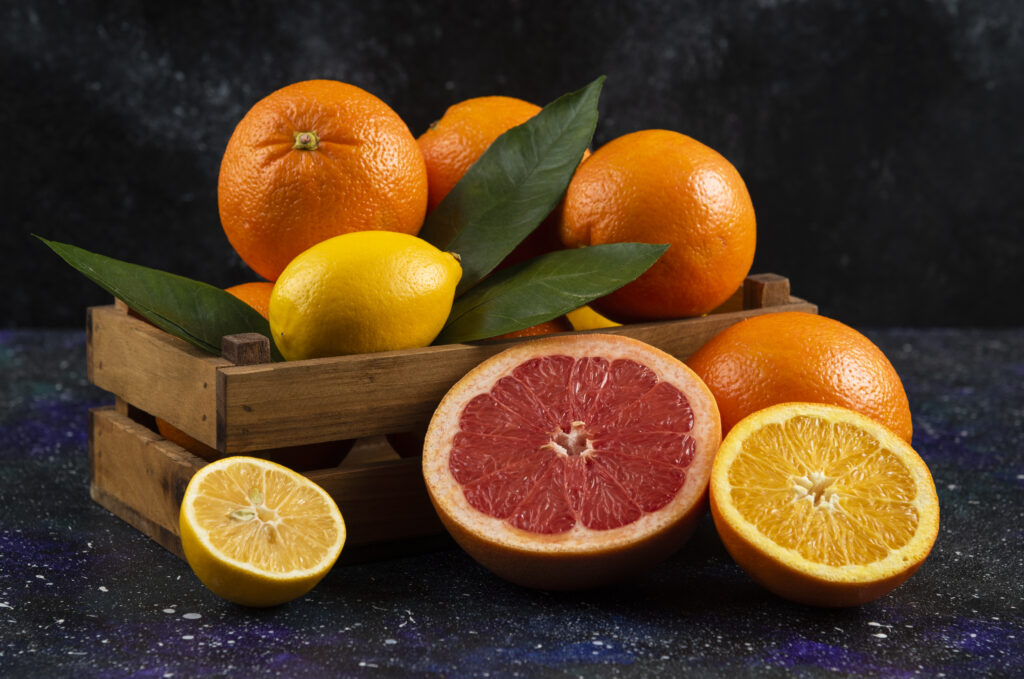
What it includes: Lemons, limes, oranges, grapefruit, orange juice, lemon water
Citrus fruits are excellent for overall health but they carry high levels of citric acid, which directly erodes tooth enamel. A common habit seen is adding lemon to water every morning and sipping it slowly over an hour. This keeps the teeth in constant contact with acid, which is far more damaging than eating the fruit quickly in one sitting.
What happens over time:
- Enamel thins gradually often without any pain initially
- Teeth become sensitive to cold drinks, ice cream, sweets
- Gum line areas become more vulnerable to decay
Practical tip: Eat citrus as part of a full meal rather than on its own. Rinse with water after. If tooth sensitivity is already present, a dentist can assess how much erosion has occurred and recommend the right toothpaste or treatment.
3. Sticky and Dried Foods
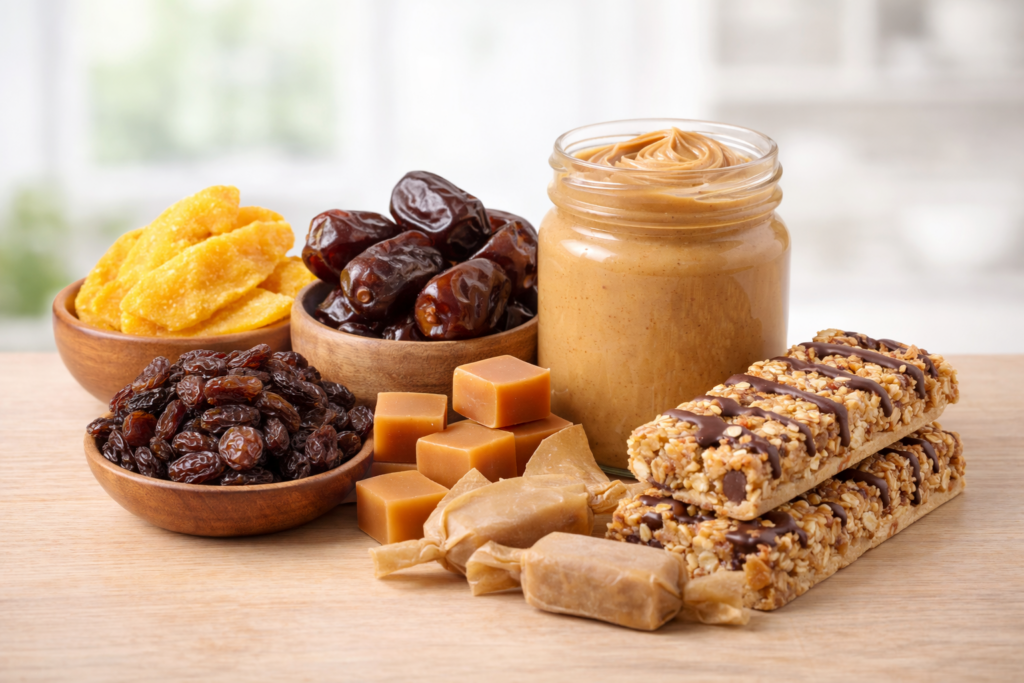
What it includes: Dried mango, raisins, dates, caramel, toffee, granola bars, peanut butter
The issue with sticky foods is not just the sugar content it is how long they stay in contact with the teeth. A dried fruit wedge can sit lodged between molars for hours. During that time, bacteria are continuously producing acid.
Unlike fresh fruit, dried fruit has concentrated sugar and loses the water content that would otherwise help wash some of it away.
What happens over time:
- Plaque builds up faster in areas where sticky food gets trapped
- Cavities form between teeth where floss doesn’t reach regularly
- Gum inflammation develops in areas with chronic food trapping
Practical tip: Floss after eating sticky foods brushing alone misses the spaces between teeth. Drink water immediately after to dilute the sugar exposure.
4. Starchy Foods
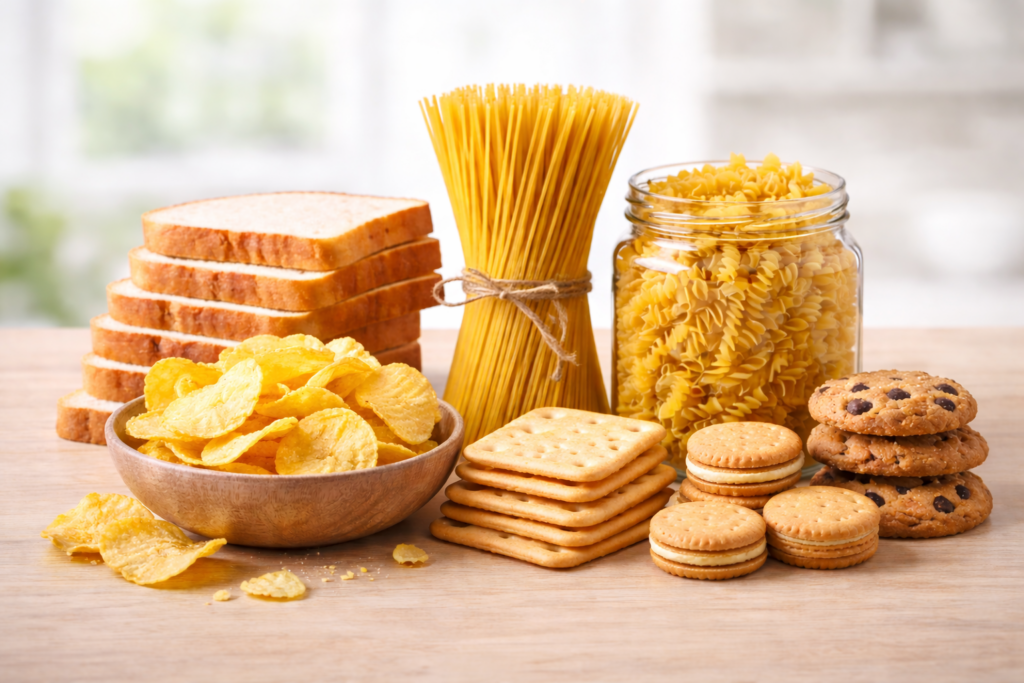
What it includes: White bread, potato chips, crackers, pasta, biscuits
Starch starts breaking down into simple sugars the moment it enters the mouth. Saliva contains an enzyme called amylase that begins this conversion almost immediately. The result is a paste-like substance that gets trapped in grooves, pits, and gaps between teeth.
Chips are a particularly common culprit they break into fine pieces that wedge between teeth and stay there long after the snack is over.
Comparison: Fresh fruit vs. processed starch
| Factor | Fresh Apple | Potato Chips |
| Sugar type | Natural fructose | Converts to simple sugar |
| Stays on teeth | Short time | Long time |
| Saliva response | Stimulates saliva | Minimal saliva response |
| Damage potential | Lower | Higher |
Practical tip: Drink water while eating starchy snacks. Chewing sugar-free gum afterwards stimulates saliva, which is the mouth’s natural defence against acid and bacteria.
5. Ice
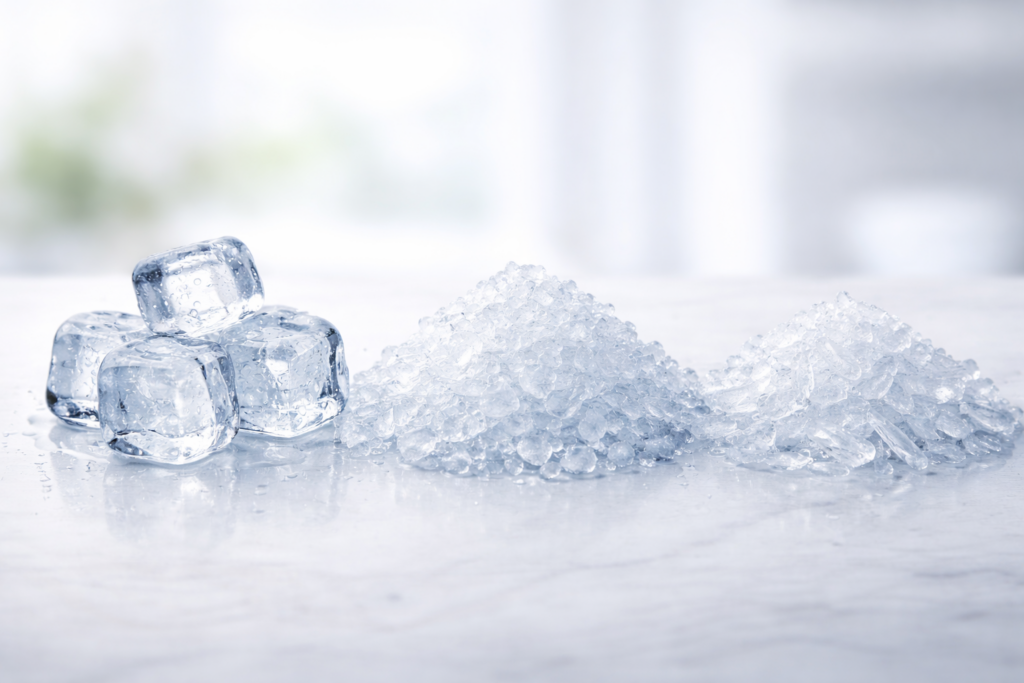
What it includes: Chewing ice cubes, crushed ice, ice chips
Ice is just frozen water, so this one surprises most people. The damage here is mechanical, not chemical. Enamel is hard but brittle. Chewing on something equally hard like ice creates micro-fractures over time. These tiny cracks can eventually lead to visible cracks or even a broken tooth.
Cold temperature is also a factor. Sudden exposure to extreme cold causes the tooth to contract slightly, which can worsen existing micro-fractures.
Signs of ice-related damage:
- Sharp pain when biting down
- Sudden sensitivity to cold
- Visible crack lines on the tooth surface
- In some cases, a broken cusp
Practical tip: Let ice melt rather than chewing it. If there is a persistent craving for ice, it can sometimes be linked to iron deficiency worth checking with a physician.
6. Coffee and Tea

What it includes: Espresso, filter coffee, chai, black tea, green tea with sugar
Coffee and tea are among the most widely consumed beverages in India. The concern here is twofold: staining and dry mouth.
Tannins in both coffee and tea bind to the enamel surface and cause yellowing over time. This is a surface stain initially but becomes harder to remove with regular brushing as it builds up. More importantly, caffeine reduces saliva production. Less saliva means the mouth cannot neutralise acids or wash away bacteria as effectively.
Coffee vs. Tea Dental Impact
| Factor | Coffee | Tea |
| Staining potential | High | Medium–High |
| Acidity | Medium | Low–Medium |
| Tannin content | High | High |
| Dry mouth effect | Yes | Yes (with caffeine) |
Practical tip: Drink coffee or tea in one go rather than sipping over a long period. Rinse with water after. Reducing the number of cups per day has a noticeable impact on staining over time. A professional teeth cleaning can remove existing stains that brushing cannot.
7. Alcohol

What it includes: Beer, wine, spirits, cocktails
Alcohol dehydrates the body and this includes the mouth. Reduced saliva is one of the most underrecognised causes of dental problems. Saliva plays a critical role: it neutralises acids, remineralises enamel, and controls the bacteria population in the mouth.
Wine is a double concern. Red wine stains teeth due to its deep pigmentation and tannins. White wine, while lighter in colour, is highly acidic and can erode enamel significantly.
What happens over time:
- Chronic dry mouth accelerates tooth decay and gum disease
- Staining from red wine accumulates on enamel
- Gum tissue becomes more susceptible to infection
- Frequent alcohol consumption is also associated with a higher risk of oral cancer
Practical tip: Alternate between alcohol and water throughout the evening. This keeps saliva levels more stable and reduces direct acid contact time with teeth.
Summary: Foods to Watch and What Helps
| Food | Why It Damages Teeth | Simple Fix |
| Sugary drinks | Acid attack from sugar | Use straw, rinse with water |
| Citrus fruits | Citric acid erodes enamel | Eat with meals, rinse after |
| Sticky foods | Prolonged sugar contact | Floss after, drink water |
| Starchy foods | Converts to sugar, traps in grooves | Water + sugar-free gum |
| Ice | Mechanical fractures | Let it melt, don’t chew |
| Coffee & Tea | Staining, dry mouth | One sitting, rinse after |
| Alcohol | Dry mouth, acid erosion | Alternate with water |
General Habits That Help
A few consistent habits make a bigger difference than most people expect:
- Brush twice daily with fluoride toothpaste but wait 30 minutes after acidic food
- Floss daily especially after sticky or starchy meals
- Drink more plain water throughout the day
- Chew sugar-free gum after meals when brushing isn’t possible it stimulates saliva
- Get a professional teeth cleaning every 6 months removes tartar that brushing cannot
- Don’t ignore sensitivity it is one of the earliest signs of enamel erosion
When to See a Dentist
Most enamel damage and early cavities show no visible symptoms until they have already progressed. A routine dental check-up can identify issues before they become painful or expensive to treat.
If any of the following are noticeable, it is worth booking a check-up soon:
- Sensitivity to cold, hot, or sweet foods
- Visible yellowing or translucency at the edges of teeth
- Bleeding gums when brushing or flossing
- Persistent dry mouth
- Any visible cracks or chips
Early detection makes treatment significantly simpler. The team at Beyond Dental, Vasanth Nagar, Bangalore offers routine check-ups, professional teeth cleaning, and personalised advice based on each patient’s diet and lifestyle.
Book a Consultation
Beyond Dental | Vasanth Nagar, Bangalore – https://beyondental.in/contact-us/
Frequently Asked Questions
Q1. Which food damages teeth the most?
Sugary drinks cause the most consistent damage because they combine sugar and acid and coat every tooth surface. Sticky sweets are a close second due to prolonged contact time.
Q2. Can enamel erosion be reversed?
Enamel cannot regenerate once lost. However, early-stage erosion can be managed with fluoride treatments and remineralising products. Catching it early through regular dental visits makes a significant difference.
Q3. Is fruit juice as bad as soda for teeth?
In many cases, yes. Packaged fruit juices are highly acidic and contain concentrated natural sugars. Frequent sipping throughout the day can be just as damaging to enamel as cola.
Q4. How often should teeth be professionally cleaned?
Every 6 months is the standard recommendation. A professional teeth cleaning in Bangalore removes tartar and plaque that regular brushing cannot reach, and allows a dentist to spot early-stage issues.
Q5. Does coffee actually damage teeth or just stain them?
Both. Coffee stains enamel over time through tannin buildup. It also reduces saliva production, which makes the mouth more vulnerable to bacteria and acid contributing to decay risk beyond just aesthetics.
Q6. Where can I find a reliable dental clinic in Vasanth Nagar, Bangalore?
Beyond Dental is located in Vasanth Nagar, Bangalore. Dr. Chinmaya Bhandary specialises in Prosthodontics, Implantology, and Smile Design. The clinic offers routine check-ups, teeth cleaning, and a full range of dental treatments.